

The Problem: range, battery life, and noisy spectrum
Look — 2.4GHz sounds sick for short-burst tracking: high data, small antennas, cheap radios. But it’s crowded as hell; Wi‑Fi and Bluetooth smack into your link and the battery eats the signal if you blast transmit power. If you’re shopping tags or designing boards, don’t just chase spec sheets; scope real use cases and test with real gear like RFID Tags in the field so the hype doesn’t bite you later.

Why engineers trip up
Designers tend to over-focus on range numbers and ignore system-level tradeoffs. Common screw-ups: using a poorly tuned antenna in a metal enclosure, choosing an MCU that can’t deep-sleep, ignoring RF noise from nearby digital circuits, and assuming lab ranges mirror warehouse reality. Those mistakes kill battery life, tank read reliability, and make firmware a nightmare.
Real deployments and proof (experience that matters)
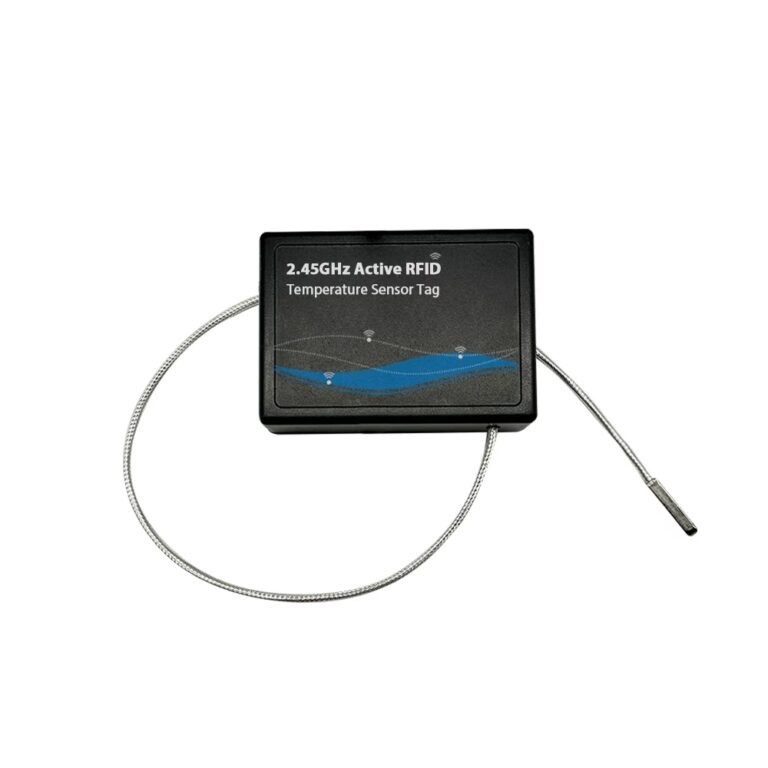
Real-world pilots prove what works. During global vaccine distribution under WHO guidance for cold-chain handling in 2020–21, teams tested temperature-aware RFID solutions and learned that single-point specs don’t cut it — you need tag-level thermal accuracy, robust reads through packaging, and consistent battery behavior in cold storage. That kind of field evidence matters when you pick tech; see examples of purpose-built rfid temperature sensor tags used to validate cold-chain integrity in large-scale logistics trials.
Design checklist — concrete moves for engineers
Prioritize antenna tuning for your actual enclosure and mounting plane. Model link budget with realistic noise figures, then set TX power to the lowest that meets your read rate. Pick sensors with documented thermal drift and calibrate per unit if you need tight accuracy. Architect power with aggressive sleep modes and brownout-safe storage for logged samples. Validate across temperature extremes, do EMC scans, and run multi-tag collision tests in busy RF scenes before you freeze a BOM.
Buyer checklist — what to ask suppliers, no fluff
Ask for measured read-range plots in your target environment, not just free-space numbers. Demand battery-cycle data at your reporting interval and temperature range. Get per-unit thermal accuracy and calibration notes, plus certification copies (FCC/CE) and sample-run failure rates. Confirm firmware update paths, security (signed firmware), and how the supplier handles long-term spare parts. If they dodge specifics, walk.
Alternatives and when to pick them
If you need long-range, low-power telemetry across wide areas, LoRaWAN or cellular-tracker options beat 2.4GHz active tags. For ultra-low-cost, passive UHF RFID works where you can control read geometry. Bluetooth beacons are fine for consumer-grade proximity but lack sealed thermal sensing and industrial read reliability. Use 2.4GHz active tags when you need fast, periodic updates in dense deployments and can solve antenna and power tradeoffs upfront.
Final take — practical value for teams
Don’t chase a single number; build around the real problem: reliable reads, consistent thermal sensing, and predictable battery life in your actual environment. That practical stance — engineering rigor plus field-proven hardware — is exactly the kind of capability people end up relying on from vendors like RSTC, because it ties design choices to real outcomes without the usual marketing noise.
