

Introduction — a little site story, some numbers, and the core question
I once stood in a small fleet garage at 6 a.m., watching technicians juggle cords and schedules while drivers waited. The stakes are rising: EV registrations and charge-session demand keep climbing (supply bottlenecks pop up more often than we like). All-in-one charging station platforms promise to simplify deployment, reduce footprint, and speed up installations — but do they deliver in real operations? As someone who coordinates deployments and automation pipelines, I want solutions that play well with monitoring, orchestration, and simple maintenance. So: how do you pick an all-in-one charging station that fits your site, your ops team, and your budget? Let’s break it down and get practical — then move to the deeper problems you’ll actually face.
Part 2 — Where the traditional fixes — and user expectations — fall short
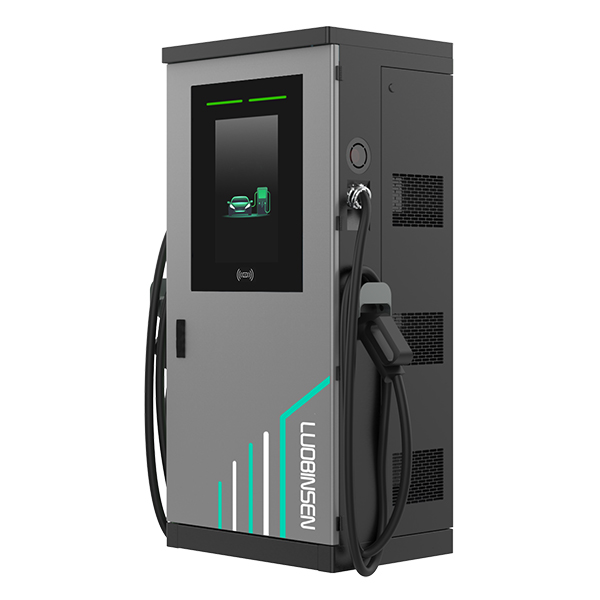
dc electric charger units look great on spec sheets, but in live use they often expose gaps: constrained thermal management, limited interoperability with energy management systems, and hidden costs from downtime. I’ve seen operators chase headline power numbers, only to stumble when the charger’s power converters or cooling design can’t hold up during peak sessions. That mismatch causes schedule slippage and angry drivers (and yes, we lost trust once — funny how that works, right?).
Look, it’s simpler than you think: many traditional approaches assume one-size-fits-all. They ignore site realities like local grid limits, the need for a robust battery management system (BMS), or how edge computing nodes should handle telemetry and firmware updates. The result? Frequent manual resets, mismatched communications (OCPP quirks), and unclear service boundaries. We end up with workarounds — scripts, manual toggles, and lots of whiteboard notes — instead of reliable automation. That’s where real pain lies: not in peak kW ratings, but in maintainability, interoperability, and predictable uptime.
So what breaks first?
Short answer: control logic, thermal stress, and flaky communications. Long answer: these lead to cascading issues across fleets and sites if you don’t design for them.
Part 3 — New technology principles and a practical look ahead
Moving forward, I focus on three technology principles that change the game: modular power architecture, software-first device management, and resilient grid interaction. Modular power uses smaller, redundant power modules so a failed power converter doesn’t take the whole bay offline. Software-first device management treats each charger like an orchestrated service: remote updates, telemetry aggregation at edge computing nodes, and automated rollback rules. Resilient grid interaction means smart demand response and harmonics control, so the station coexists with local transformers and PV arrays.
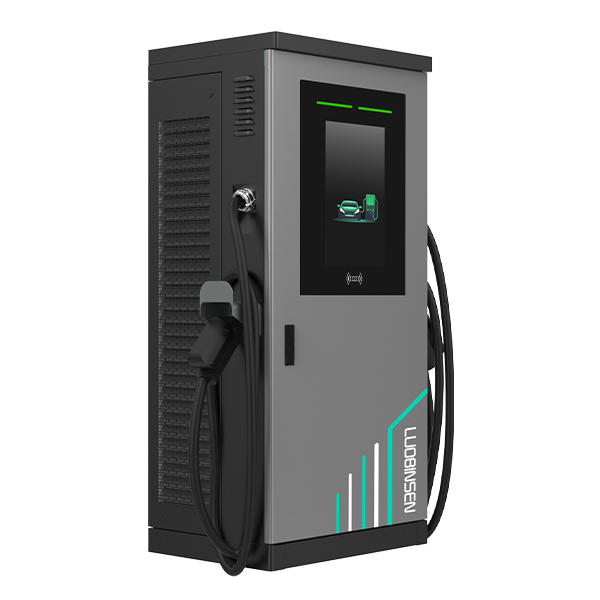
When we design for these principles, the operation becomes measurable and manageable. For instance, an ev charging machine with modular rectifiers and in-built telemetry can reduce mean time to repair and let fleet managers schedule charging windows confidently. We can simulate peak load, run staged firmware rollouts, and keep tight SLAs. The shift isn’t instant — it takes planning, testing, and small pilot rollouts — but outcomes are clear: fewer emergency visits, predictable charge sessions, and happier drivers. — and yes, it changes how procurement reads specs.
What’s Next
Expect more integration between energy management platforms and chargers, plus richer on-device diagnostics that feed automation tools. We’ll see chargers act not just as power points but as managed nodes in a distributed energy system.
Closing — three practical metrics I use when evaluating all-in-one chargers
Here are three evaluation metrics I give every project team before we sign anything: 1) Recoverability: How fast can the charger recover from a fault without a technician on site? (Look for modular power and remote restart.) 2) Interoperability: Does it speak standard protocols (OCPP, ISO) cleanly and provide full telemetry to your energy platform? 3) Serviceability: What parts are replaceable on-site, and how clear are firmware rollback and version controls? Use these, weigh them against your operational cost model, and run a short pilot before wide rollout.
I’ve guided teams through procurements using these three checks, and they consistently separate vendors who sell “nice specs” from those who deliver reliable service. If you want a vendor that blends solid hardware with practical ops tooling, check out Luobisnen. We’ve learned a lot in the field — and I’m happy to share what worked for our sites.
