

Introduction: What’s actually going wrong on the shop floor?
Have you ever watched a finished motor fail a simple run-in test and wondered, who missed what? As an engineer who’s spent years around test benches and assembly cells, I see the pattern: even a top-tier electric motor manufacturer can be tripped up by the same small mistakes. Data from quality audits I’ve reviewed show that roughly 30–45% of warranty incidents trace back to assembly or testing lapses, not exotic design errors. So why do these basic problems persist, and what would stop them for good? (I’ll be blunt—some fixes are cheap and fast.)
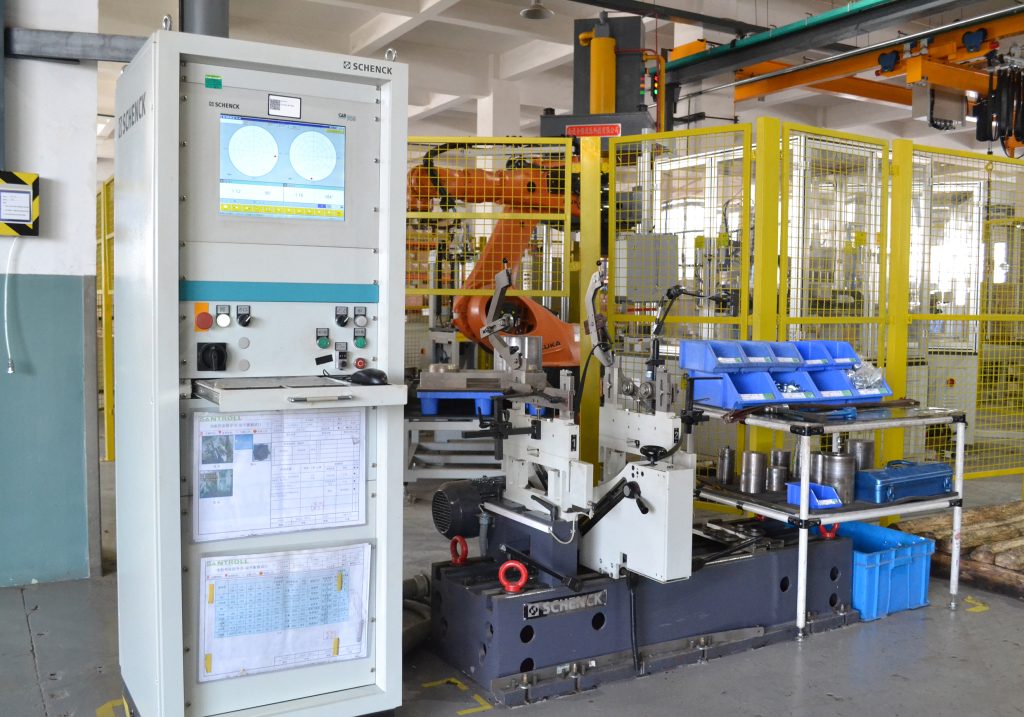
I want to walk you through concrete failures I’ve seen, then show practical ways to change them. You’ll get hands-on observations about stator fit, winding insulation damage, torque ripple sources, and how control electronics like power converters get blamed unfairly. This piece moves from clear examples to actionable principles. Next up: the deeper flaws behind standard fixes.
Part 2 — Deep Dive: Why traditional fixes for motor manufacturing fall short
When teams patch a problem, they often treat symptoms instead of the root cause. In motor manufacturing, that looks like re-tightening procedures after a bearing failure—without checking shaft runout or the rotor-stator air gap. I’ve watched repair crews replace bearings three times before someone measured the rotor journal. That’s costly and maddening. Technically speaking, the real failures usually involve mismatched tolerances, improper winding tension, or contamination during varnish and curing.
Why do those simple things keep happening?
One reason: process documents that are too generic. They say “clean and assemble” but not how to measure varnish viscosity or acceptable flux density ranges. Another cause is test over-reliance—end-of-line electrical checks catch gross faults but miss subtle mechanical misalignments that produce torque ripple and early wear. Look, it’s simpler than you think: fix the fixture, and half your returns drop. I’ll be frank—I’ve seen plants lose weeks to troubleshooting a bad controller when the real issue was a skewed stator lamination stack.
There’s also a human element. Operators work from checklists that read like legal documents. They skip steps under time pressure. Training budgets are small. So the “traditional solution” of adding another inspection often creates bottlenecks, not better quality. We need better sensorization at the right points—bearing temperature probes, simple vibration checks after balancing—and smarter feedback into the line. These are affordable. They cut rework and improve mean time between failures. — funny how that works, right?
Part 3 — New principles and what I recommend going forward
Now let’s be forward-looking. I prefer laying out core principles rather than prescribing a single tool. For modern electric motor manufacturing, three principles work well together: embed early detection, simplify decision points, and close the loop with data. Practically, that means small sensors at assembly stations (endplay gauges, simple encoders), modular test rigs for servo drives and PWM control checks, and automated logging that flags trends—not just pass/fail. These are not science projects; they’re practical steps I’ve implemented with rapid ROI.
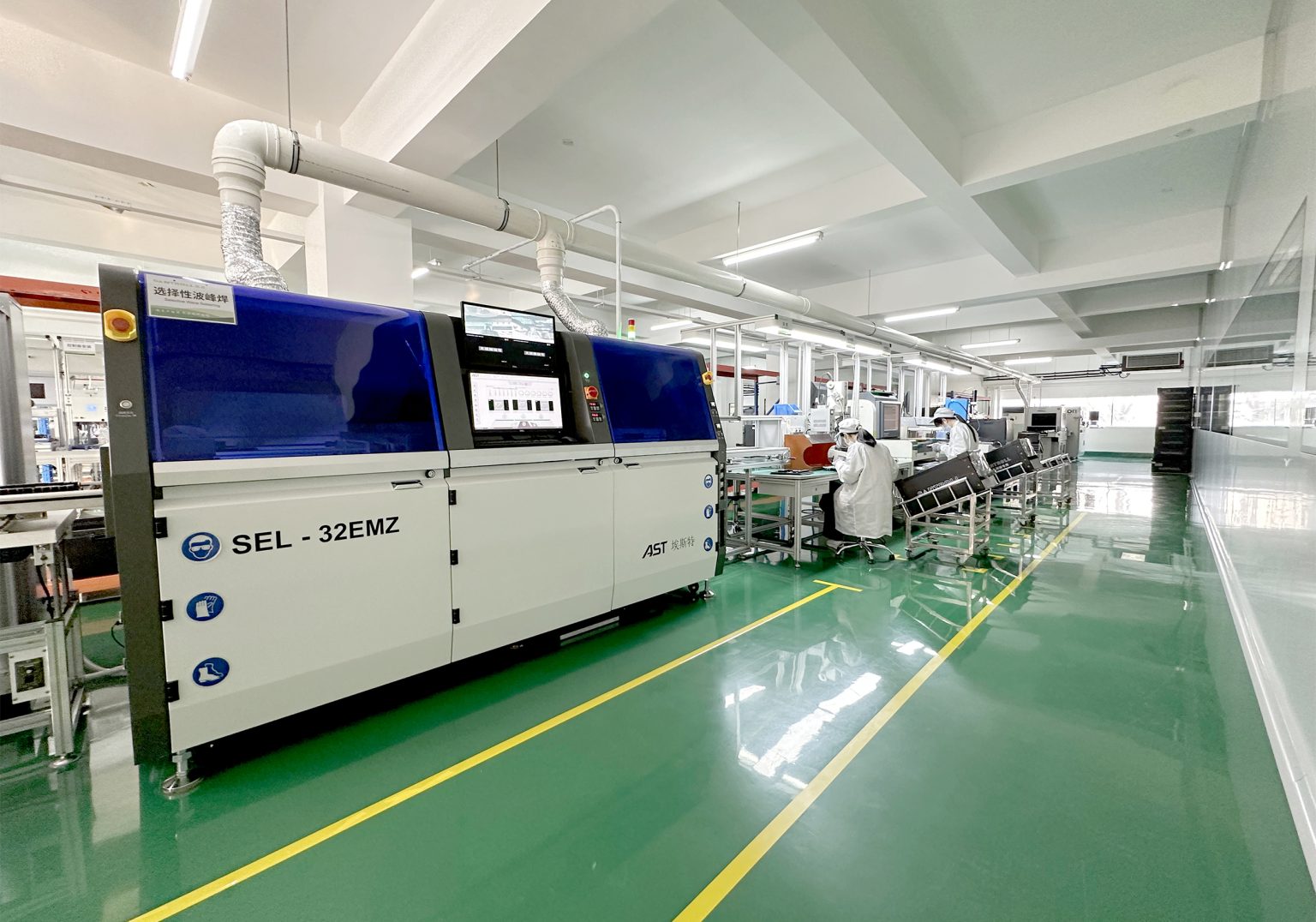
What’s next — how to choose what to deploy?
Start with a pilot on one product line. Add a vibration sensor to your balancing station and capture bearing temperatures during a short run-in. Pair that with basic edge compute to show flagged trends. If you’re unsure, compare a manual inspection process to a semi-automated one: measure throughput, defect rate, and rework costs for a month. You’ll see where returns come from. And yes, the data will surprise you—sometimes the cheapest fix gives the biggest gain.
To close, here are three evaluation metrics I use when selecting solutions: 1) Detection lead time (how early a fault is flagged), 2) Cost-to-fix ratio (how much the fix saves versus its price), and 3) Integration effort (hours to get the new check into production). Use these consistently and you’ll stop chasing ghosts. I prefer metrics because they force clear choices, not opinions. — short sentences. Longer goals.
We’ve covered recurring missteps, why common remedies fail, and the practical principles to prevent repeat issues. I’ve written this from hands-on experience, not theory, and I stand by the approach: measure better, simplify actions, and automate feedback where it pays off. For teams building robust motors and reducing warranty headaches, the path is clear. For more on applied solutions, see Santroll: Santroll.
