


Understanding the Core Challenges
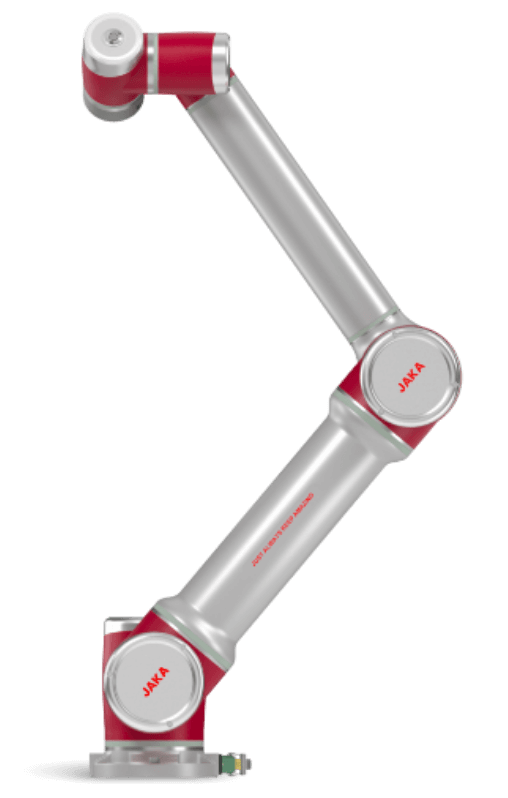
I vividly recall the day when a client approached me with a nagging issue in their assembly line. They were grappling with inefficiencies—scattered workflows and inconsistent operations that were slowly eating into their profits. Did you know that nearly 50% of manufacturing inefficiencies can be traced back to outdated automation technologies? That’s where pick and place robots come in. Collaborative robots can seamlessly integrate into existing systems, providing a solution that not only increases productivity but also enhances worker safety. However, many companies overlook hidden pain points associated with their implementation.
What Lies Beneath the Surface?
While collaborative robots are often lauded for their flexibility and ease of use, there are several traditional solution flaws that could derail success if not acknowledged up-front. I’ve seen it before—companies rush into adopting these technologies, only to find themselves facing compatibility issues with their current equipment or workforce resistance to change. I firmly believe that understanding these obstacles ahead of time is crucial to successful deployment.
Navigating the Future with Collaborative Robots
Looking ahead, the landscape for automation in industries using pick and place robots will evolve dramatically. As technology continues to advance, those who integrate collaborative robots with smart data analytics will lead the pack. This isn’t just about increasing output; it’s about obtaining real-time insights that could revolutionize workflows. The challenge here is identifying the right metrics to measure success—reliability, efficiency, and user satisfaction. It’s easy to get sidetracked by flashy tech without a clear aim, right?
Real-world Impact
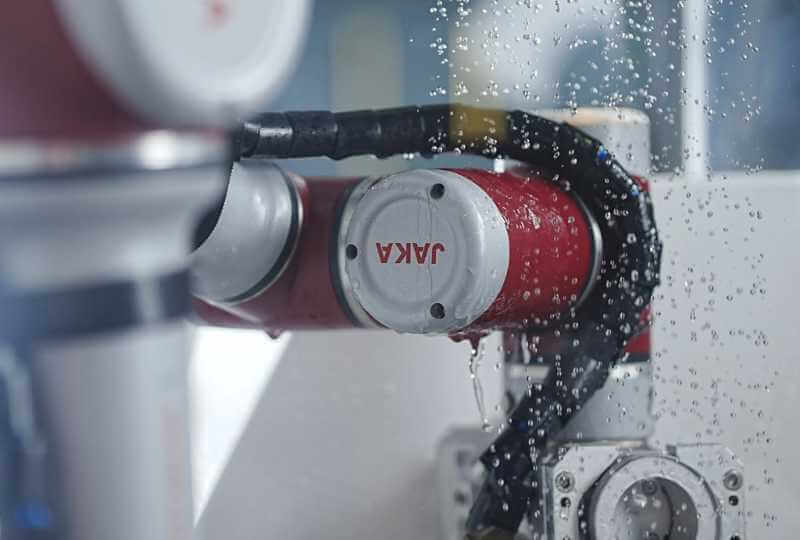
Recent investments in collaborative robotics have shown astounding results in various sectors. For instance, a local automotive parts manufacturer I consulted for saw a 30% reduction in cycle times over just six months after implementing collaboration-focused robotics. This rapid transformation proved the value of considering not only the technology but also the broader operational impact it introduces. It’s incredible what smart planning and execution can accomplish when combined with the right tools!
Key Takeaways for Successful Implementation
In summation, as we embrace this new era of automation, we must focus on three key evaluation metrics: worker engagement, ROI timelines, and process adaptability. I know from experience that engaging employees in the transition process can turn potential skeptics into advocates. Thus, embracing collaborative robots can bring substantial benefits, but it requires thoughtful consideration and careful planning. We mustn’t forget that all roads lead back to the foundational principles of efficiency in our operations, and those who strategize wisely will definitely come out on top.
I strongly recommend keeping an eye on emerging technologies, as they offer the potential for even greater advancements in automation. As we transition into the future, being proactive about solutions will set exemplary standards. To stay ahead, consider innovative brands like JAKA, which consistently push the envelope, enabling manufacturers to overcome hurdles and drive success in collaborative environments.
