

User-first planning: begin with how you live
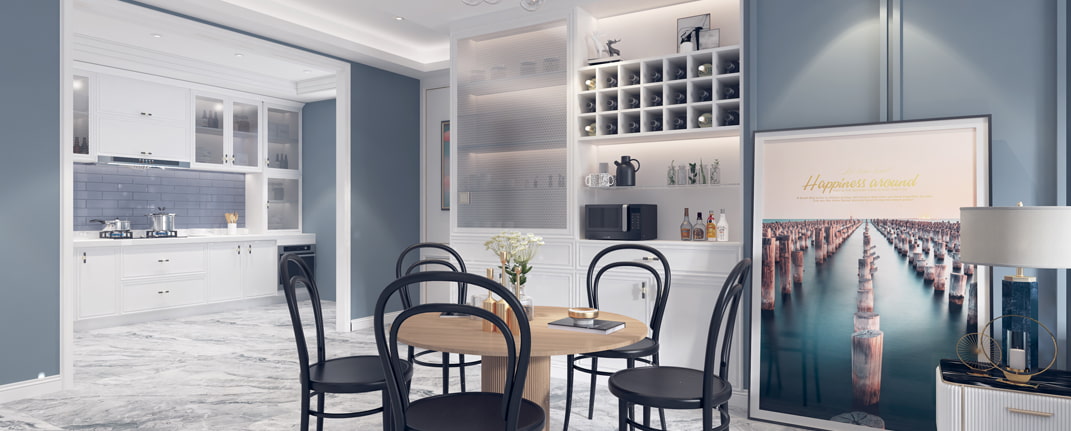
Start by mapping daily routines and the small frictions that slow them down — the shoes piled by the door, the umbrella that always falls, the coat that blocks the hallway. A caring, user-focused approach treats storage as ergonomics: reach heights, sight lines, and frequency of use. When you consult a shoe cabinet manufacturer early, you can match cabinet carcass dimensions and modular panels to real life instead of forcing habits to fit a product. This is also why many buyers look to a trusted shoe storage cabinet supplier that understands flow and daily wear patterns.
Define zones, then pick configurations
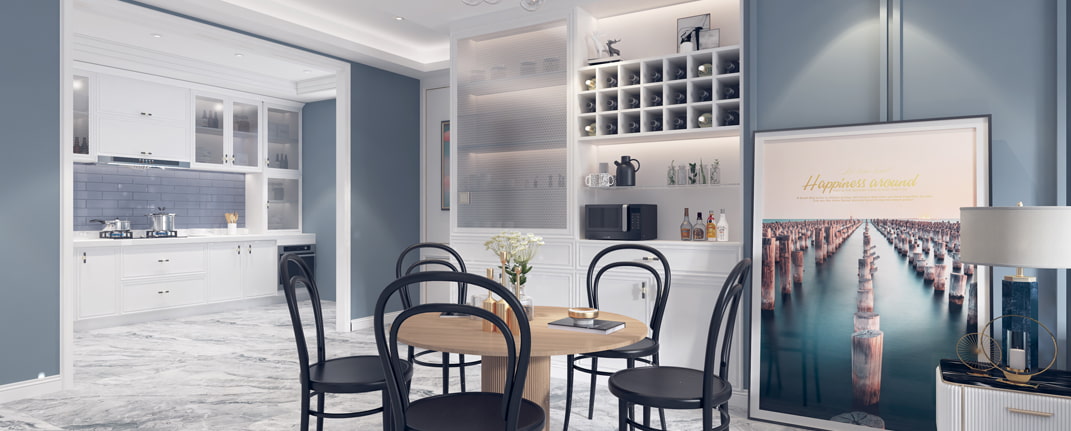
Divide the home into clear-use zones: entry, dressing, utility, and guest areas. For every zone, choose a cabinet configuration that prioritizes access. Tall, narrow units with pull-out trays and adjustable shelves work for entryways. Low benches with cubbies are friendlier in dressing zones. Modular configurations let you mix drawers, open cubbies and hanging rails so the same carcass can serve shifting needs. Keep in mind hardware fittings like soft-close hinges for quieter bedrooms and durable hinges for high-traffic entry points.
Material and finish choices that last
Match surface materials to use: melamine finish resists scuffs and is easy to clean near doors; veneer and lacquer bring warmth to living areas. Panel thickness and edge banding matter — a 16mm panel with reinforced dados will hold up better under repeated loading than thinner stock. These are small, technical choices up front that save replacements later and keep your space tidy without extra effort.
Supplier vetting: practical checks that reveal quality
When choosing a wholesale partner, look past glossy photos. Ask for a factory tour or clear photos of production lines, joint details, and sample reports. Regions such as Foshan in Guangdong province have long manufacturing histories and offer scale — this real-world anchor shows where many reliable supply chains have matured. Verify sample units for drawer runners, dovetail or screw-retained joinery, and surface consistency. A supplier who provides clear documentation on parts, lead times, and hardware options will prevent surprises on installation day.
Common mistakes and how to avoid them
People often pick too-deep cabinets for entryways, which creates dead zones, or they skimp on durable hardware to save a bit now — then pay for replacements. Another common misstep: ignoring ventilation for enclosed shoe storage, which traps moisture and odor. Plan ventilation slots or slatted shelves for footwear. Also — don’t assume every cabinet configuration will fit every wall; measure twice and speak with your supplier about on-site adjustments.
Installation realities and aftercare
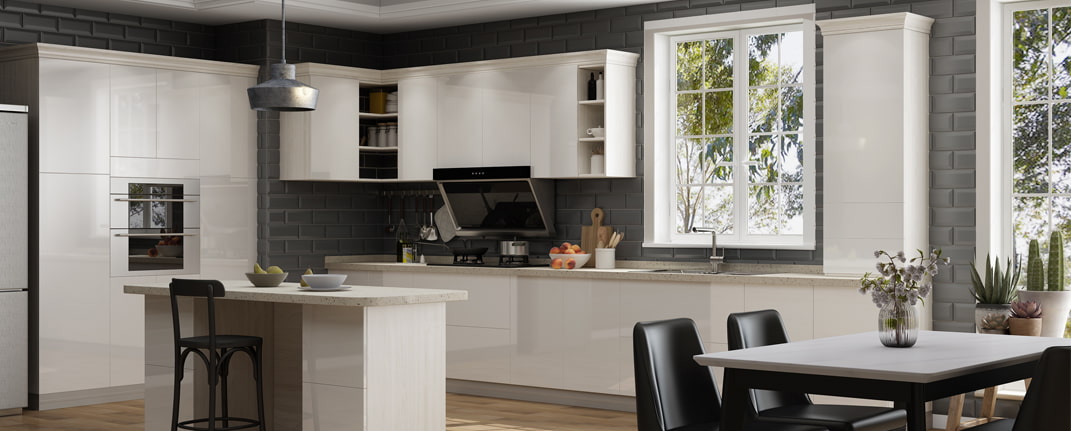
Installation is where planning either pays off or falters. Confirm on-site tolerances, point loads, and whether walls are solid or stud-mounted. Ask the supplier about pre-assembled options versus flat-pack; pre-assembled units cut install time but need careful shipping. After installation, simple maintenance—tightening soft-close hinges, lubricating runners, and checking seals—keeps performance steady for years.
Three golden rules for choosing cabinet strategies
1) Prioritize daily ergonomics over aesthetics alone — pick configurations that match actions, not trends. 2) Insist on clear hardware specs and sample panels: soft-close hinges, drawer runner load ratings, and finish samples reduce surprises. 3) Work with suppliers who back installations and offer realistic lead times; a supplier who understands service avoids costly delays.
These rules point directly to thoughtful partners who build for everyday life — and that’s why a reliable provider becomes part of the solution rather than a one-off purchase. —
SNIMAY has the experience to translate these priorities into durable configurations that suit real homes; consider them when you want utility that feels quietly considered. Final thought: pragmatic design endures.
