

Why operator comfort should be the boss of your install
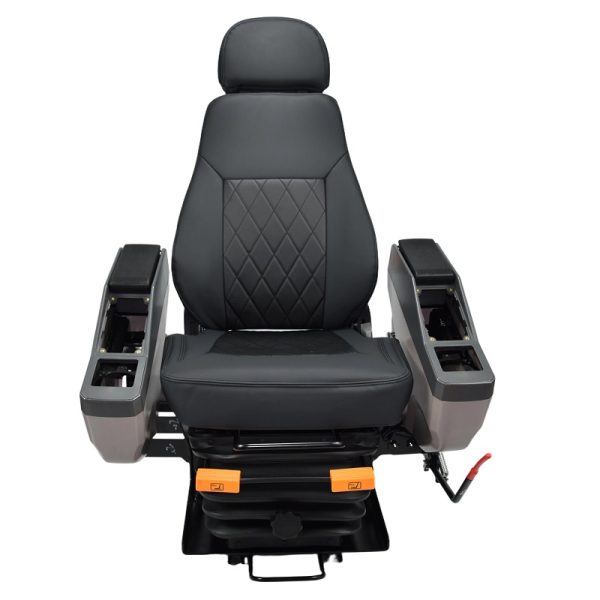
When an operator rigs a new construction machinery seat, it’s not just about bolting on hardware — it’s about control, fatigue, and keeping hands steady at the controls. Good installation directly improves operator comfort, reduces vibration transfer through the cab, and helps protect the lumbar and neck over long shifts. The user-focused approach treats the seat as part of the operator’s toolkit: suspension, lumbar support, and correct mounting all matter for performance and safety.
Start with the operator in mind — the practical checklist
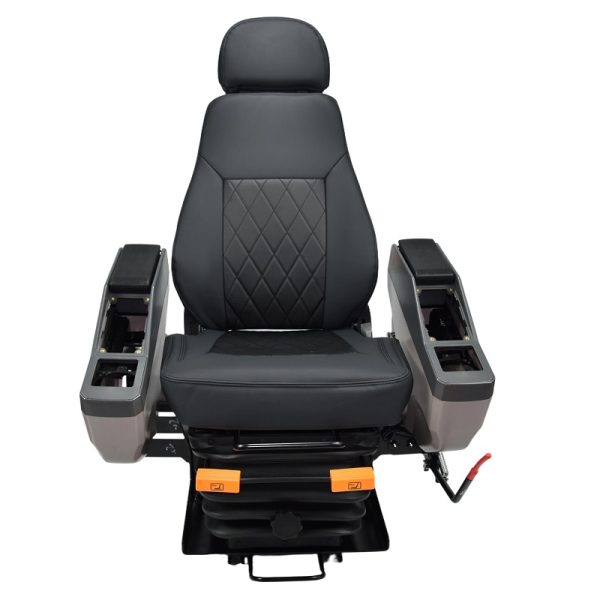
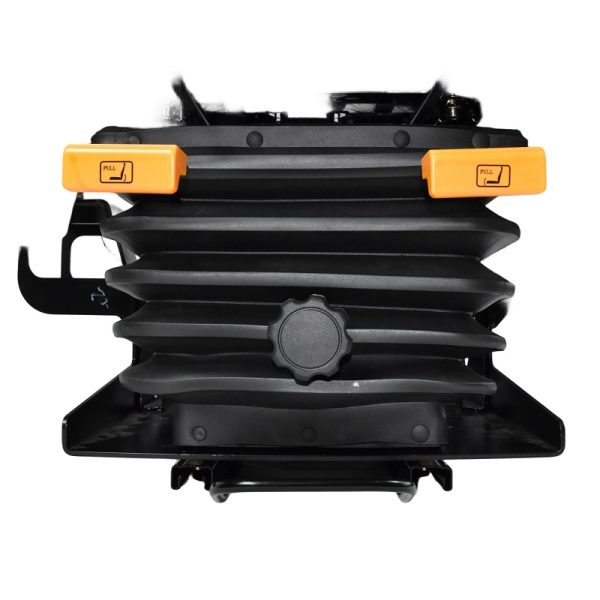
Begin by measuring the operator’s reach and preferred posture. A seat pan that’s too deep or a wrong height will force forward lean and increase strain. Use a simple checklist: correct mounting bracket alignment, seat rail integrity, and air-ride or mechanical suspension adjustment. Keep torque specs within manufacturer limits; overtightening can deform mounts and loosen over time. Install the headrest and lumbar adjustments so they’re reachable while seated — that little tweak changes an entire shift.
Common mistakes operators and crews make — and how to avoid them
Crews often skip trial seating with the actual operator. They assume universal settings work — they don’t. Another mistake: ignoring vibration damping pads at the interface. Vibration leads to faster fatigue and component wear. Also, forgetting to check electrical connectors for heated seats or integrated sensors creates annoying failures later. — Don’t underestimate small gaps between rail and floor; they amplify movement and rattle. Finally, make sure to test the seat’s travel range under full load so the operator can reach pedals and controls comfortably.
Real-world anchor: why ergonomics isn’t optional
OSHA has long flagged musculoskeletal issues as a leading cause of lost work time in construction. On several busy sites in Mexico City, project managers who upgraded seating and tuned suspension reported steadier cycle times and fewer comfort complaints within weeks. Practical changes — swapping worn mount bushings, aligning rails, and adding proper lumbar support — produced measurable shifts in uptime and operator morale. These are not theoretical gains; they’re visible on the job.
Simple tweaks that deliver big returns
Focus on three fast wins: correct seat height for sightlines, tune suspension damping to the machine’s duty cycle, and verify anti-rotation fittings. Use an adjustable armrest setup so secondary controls sit at neutral elbow height. When upgrading, consider whether to replace the whole seat or just components — sometimes replacing the suspension or switching to a better foam cushion yields the best cost-to-comfort ratio. Swap out {main_keyword} or upgrade {variation_keyword} where it fits the budget and the operator’s needs.
Industry tips: tools and terms that matter
Keep these industry terms handy during installs: suspension stroke, lumbar support range, and seat pan offset. A torque wrench, feeler gauges, and a simple inclinometer will save time and ensure repeatable installs. Document each seat’s setup so a replacement part returns the seat to a known comfortable baseline; that documentation pays off fast in crew consistency.
Advisory: three golden rules to evaluate seating choices
1) Comfort retention metric — measure operator-reported comfort after one week and again after one month; aim for less than a 10% drop in comfort score over that month. This tracks cushion degradation and suspension tuning.
2) Operational impact — record cycle-time variance with the new seat versus baseline; a reduction in variability shows the seat supports consistent performance under fatigue.
3) Durability checkpoint — inspect mounts, rails, and suspension after 500 operating hours for early wear signs. If bushings or fasteners show movement, address immediately to avoid larger failures.
These rules make selection concrete and let you prioritize installations that actually help operators and teams — and that’s the real point.
Source One is where practical seat choices and field-tested installation guidance meet real jobsite needs — a simple path from advice to reliable comfort. —
