

Introduction: Setting the Measure of Change
Chest wall repair is entering a new era. The wang procedure stands in the light of that change, steady yet evolving. Picture a student athlete who cannot take a deep breath during practice; numbers tell us that pectus excavatum touches around 1 in 300–400 births, and many seek correction before peak growth. Yet statistics alone do not free a chest from its inward pull (the rib arc remembers). If the stakes are this human, how should we judge a path forward that must be both safe and strong?

We will weigh methods not by promise alone but by proof—breath by breath. Let us step from story into structure and set the comparison on firm ground.
Hidden Friction in Old Paths
Why do old fixes fall short?
In most clinics, pectus excavatum surgery has long meant choosing between a broad open repair or a bar-based lift. These routes work, but they hide small taxes that add up. Open methods can mean larger dissection, more scar, and slower return to play. Bar-based lifts reduce cutting, yet some patients face bar shift risk, nerve pain, or long brace times that strain daily life. Look, it’s simpler than you think: a chest is not just bone; it is load, motion, and breath in one system. Without attention to biomechanics and rib kinematics, even a neat X-ray can mask a stiff inhale—funny how that works, right?
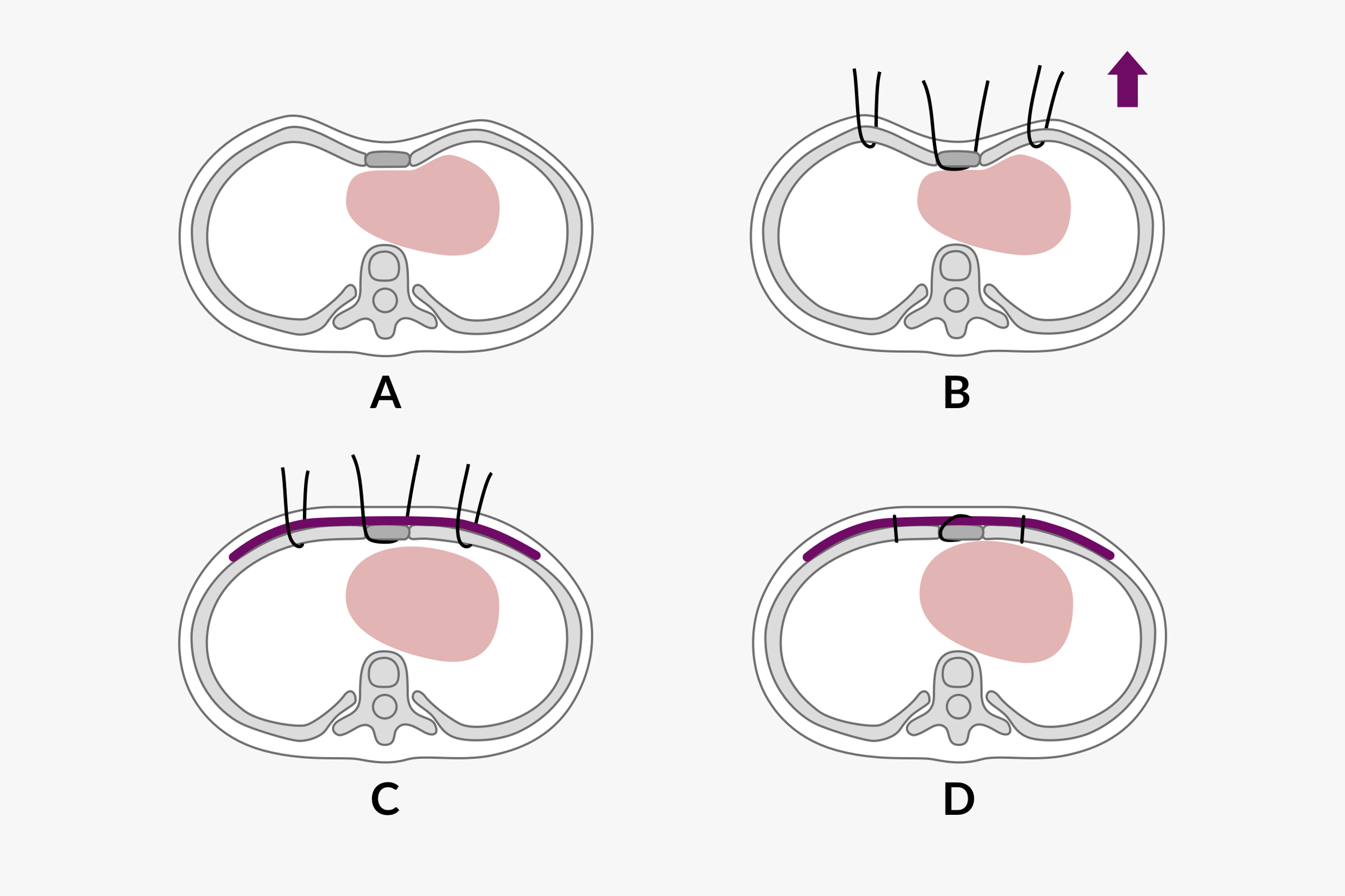
The wang procedure tries to solve these quiet costs by tuning technique to the thoracic frame. Thoracoscopic guidance reduces blind forces. Sternal elevation is layered, not rushed, to match tissue tension. Perioperative protocols lean on multimodal analgesia and intercostal nerve blocks to curb opioid need. When correction mirrors the native curve, the bar behaves like a support, not a pry. This lowers shear at the costal cartilage, eases muscle spasm, and reduces follow-up interventions. The deeper lesson is simple Greek phronesis: less trauma, more alignment.
Comparative Lens: Principles That Last
What’s Next
From here, the forward step is not a leap but a refinement. The wang procedure builds on known ideas, then trims what hurts. Pre-op planning uses 3D chest metrics to map the lowest point and the power line of lift. Bars are contoured to the patient, not the other way round. Dynamic sternal elevation spreads force across ribs, while thoracoscopic checks confirm safe paths near the heart. When we compare this to classic bar placement, the difference is in load paths and soft tissue respect. Fewer torque peaks on the bar. Less strain on intercostal nerves. Cleaner perioperative recovery. In that sense, surgery for pectus excavatum becomes not only a fix but a plan for motion across seasons.
Future-facing tweaks look practical, not flashy. Ultrasound-guided analgesia sharpens pain control. Smaller incisions reduce scar traction. Imaging and simple force checks make bar stability predictable rather than lucky. Case series already point to shorter stays and faster return to school or sport. The message is not hype; it is craft. We began with a student who could not breathe well. We close with a chest that expands when it must—during a sprint, during a laugh. To choose well, mind three measures: 1) physiological fit, shown by improved inspiratory effort and oxygen uptake; 2) mechanical stability, tracked by bar position and low re-intervention rate; 3) recovery curve, visible in days to normal walk, days off opioids, and weeks to full activity. Hold these three, and the choice becomes clear, calm, and timely. For further study and context, see ICWS.
