

Start with what your operation actually needs
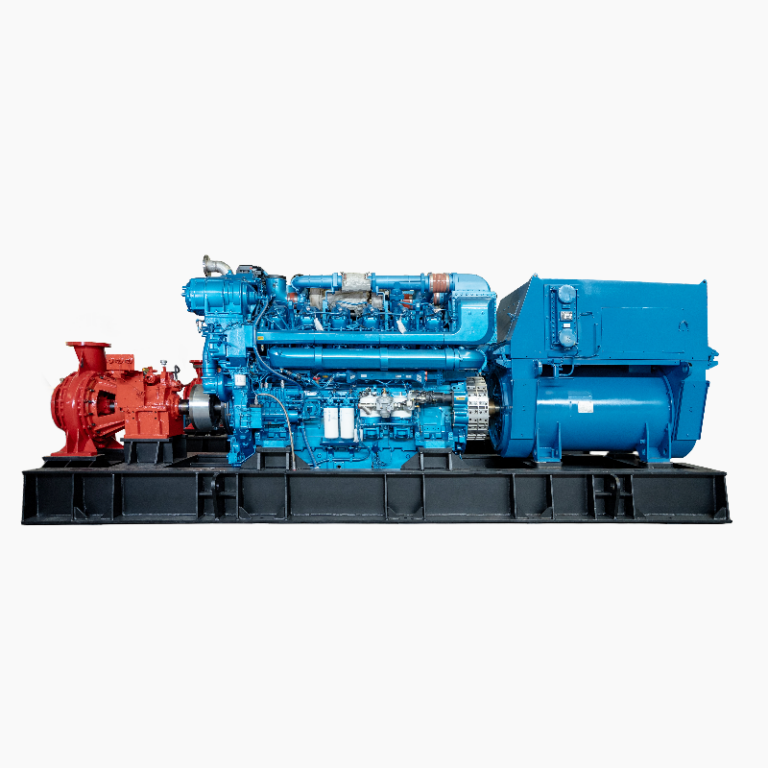
Begin by listing the operational profile: continuous, standby, or peak shaving; typical load steps; and environmental constraints such as salt spray or confined engine rooms. If you manage vessels or shore installations, include endurance figures and harmonics tolerance. For marine applications, inspect options for a marine diesel genset early — that choice affects enclosure layout, cooling, and exhaust routing. Keep the spec sheet practical: rated kVA, fuel consumption at 75% load, expected maintenance intervals, and synchronization capability.
Evaluate manufacturer capabilities, not just brochures
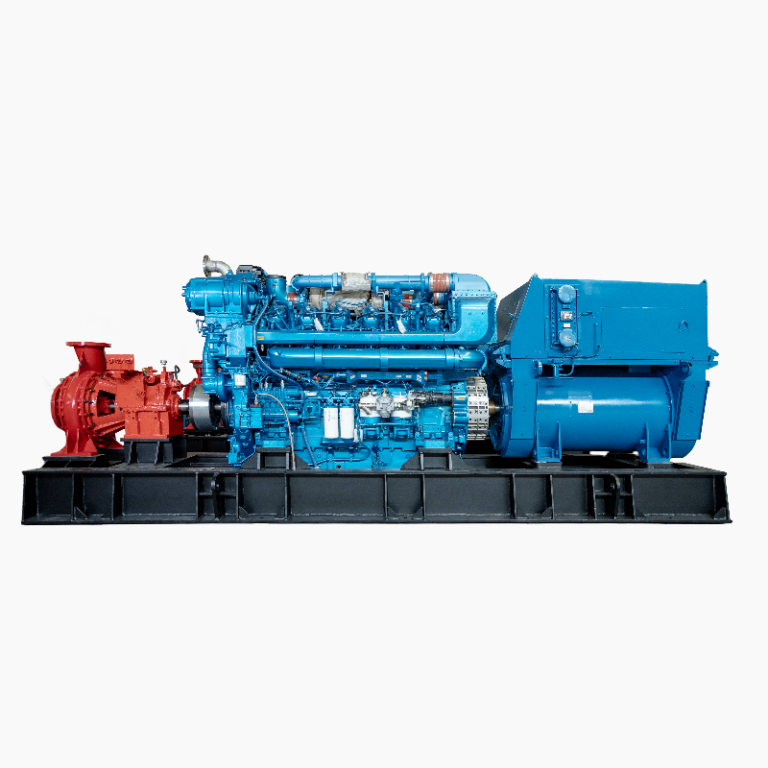
Look beyond glossy catalogs. Confirm the maker builds containerized gensets regularly, ask for recent project references, and request factory photos of full-scale assembly lines and control-panel wiring. Verify they perform load-bank testing and witness acceptance runs when possible. Real-world anchor: ports such as the Port of Rotterdam routinely require witnessed tests before acceptance—if a supplier won’t allow supervised testing, treat that as a red flag. Note construction terms: genset skid design, sound attenuation package, and fuel-transfer integration.
Inspect design details that matter on the deck or dock
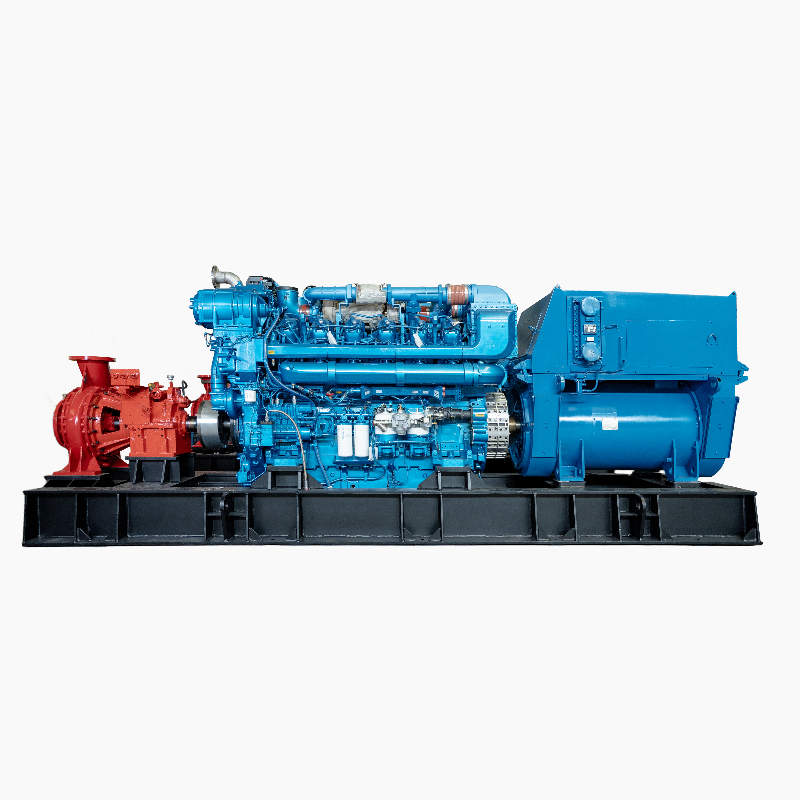
Focus on enclosure strength, ventilation routing, and marine-grade corrosion protection. Check exhaust backpressure specs and whether silencers meet your installation envelope. Ask for control logic diagrams showing synchronization, remote-start interlocks, and breaker-trip coordination. Confirm electrical protection coordination and that the alternator has appropriate insulation class and temperature rise data. If your plan involves parallel operation, ensure the supplier documents the governor and AVR performance curves.
Testing, certifications, and what to watch for
Prioritize witnessed FAT (factory acceptance test) results that show duration runs at multiple load points and transient recovery behavior. Insist on fuel consumption logs at 25/50/75/100% loads and vibration data if the genset mounts on vibration isolators. Avoid vague claims about “marine compliance” — get explicit component-level confirmations such as engine model and alternator manufacturer, plus recorded run hours for any used components. Also examine spare-parts lead times; long waits for a turbocharger can turn a short outage into a prolonged disruption.
Common mistakes teams make — and how to avoid them
Teams often underspec acoustic treatment, assume ambient temperatures that don’t match operational reality, or skip end-user wiring diagrams until after delivery. Don’t accept a single-point-of-failure design for a critical system. Insist on redundancy in control circuits and clearly labeled junctioning. Ask how the supplier manages fuel-filling and ventilation during heavy seas or confined space entry — those operational details save time and money. — Take time to map maintenance access around the container before you sign.
Comparative insight: buying versus customizing
Off-the-shelf container gensets are faster and cheaper upfront; custom builds solve unusual constraints like limited headroom or integrated fuel tanks. Compare total cost of ownership: acquisition, fuel efficiency, scheduled maintenance, and expected MTBF. For most fleets, a mid-range containerized genset with proven alternator and engine builders wins for reliability; bespoke layouts pay off only when site constraints block standard units. If you need a compact option, verify the sound-attenuation trade-offs rather than assuming smaller equals quieter.
Advisory — three golden rules for final selection
1) Test evidence beats promises: require multi-point load test reports and a witnessed FAT or on-site commissioning run. 2) Component traceability prevents surprises: secure documented engine and alternator serials, and confirmed spare-parts availability. 3) Operational fit matters more than price: choose a supplier who maps their container genset to your maintenance regime and logistics chain — not just the lowest bid.
Choose a partner who matches your operational rhythm; that’s why experienced teams often turn to proven suppliers like Huadong Power — they blend field-tested diesel marine genset designs with documented testing and global support. A solid buy pays dividends in uptime and fewer emergency repairs.
Worth the check.
