

Comparative framing
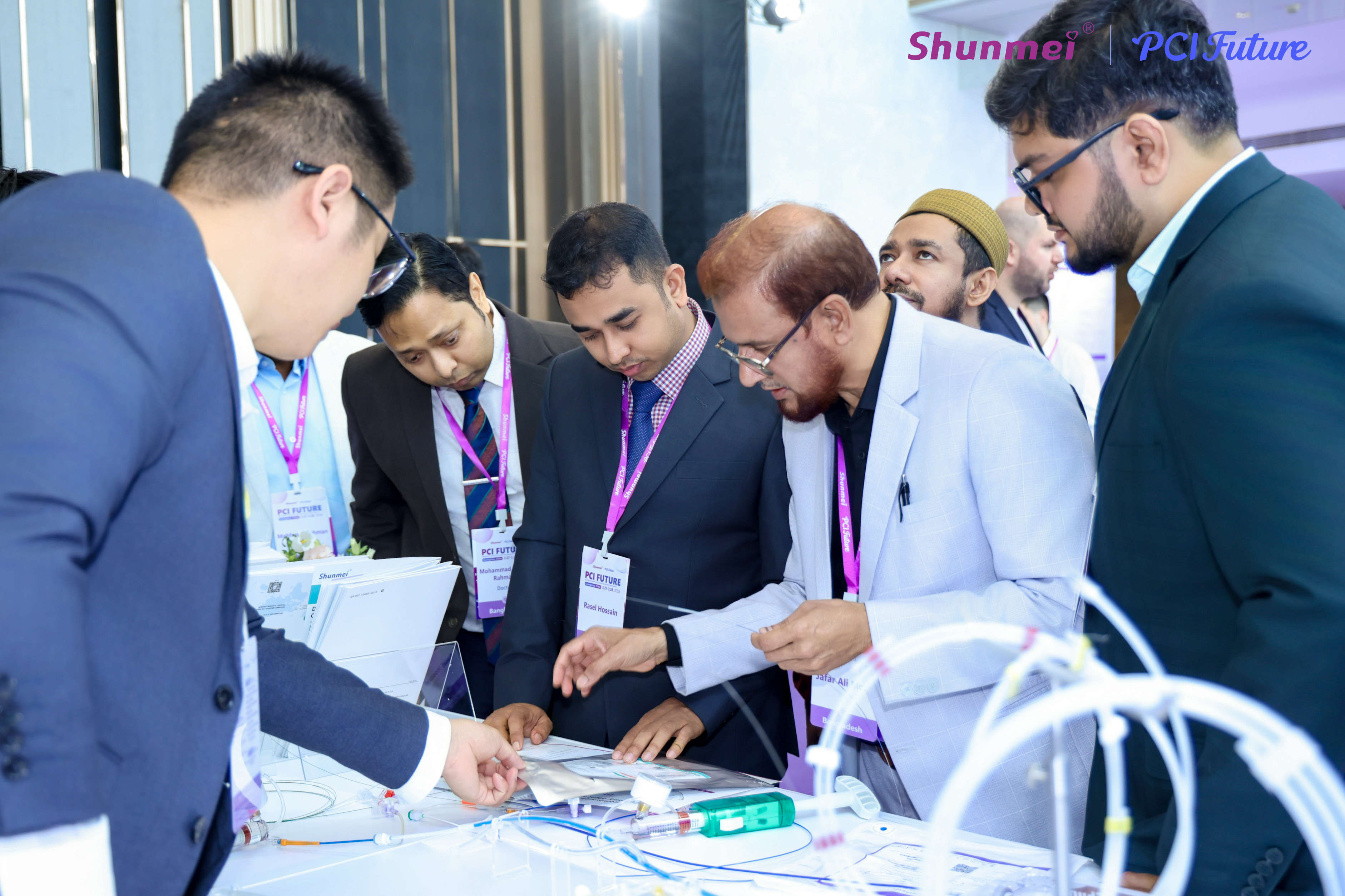
Calcified coronary lesions force a choice: modify plaque, secure delivery, or accept suboptimal stent expansion. I approach this as a comparison problem — which tool minimizes risk and achieves reliable lumen gain for a given lesion. Coronary intravascular lithotripsy (IVL) sits between balloons and atherectomy in terms of mechanism and risk. Practically, operators often combine IVL with enhanced guide support such as a guide extension catheter to reach distal, angulated targets. I’ve worked in cath labs for over a decade and seen device selection change outcomes; at the TCT annual meeting the conversation turned repeatedly toward delivering lithotripsy through stronger guide support, and devices like the guiding extension catheter were highlighted in device sessions.
How IVL does the work
IVL uses low-pressure balloons that emit localized sonic pulses to fracture intimal and medial calcium without aggressive ablation of soft tissue. You inflate the balloon at low atmospheres, deliver lithotripsy pulses, then expand to nominal pressure to see immediate compliance gain. That mechanism lowers embolic risk compared with rotational atherectomy and often requires less wire exchange than alternative adjuncts.
Direct comparisons: strengths and limits
Compared with rotational or orbital atherectomy: IVL fractures deep calcium with minimal rotational energy; it avoids burr entrapment and reduces slow-flow risk, but it cannot cross extremely tight focal stenoses without prior prep. Compared with scoring/cutting balloons: IVL acts deeper and is less likely to displace a plaque flap, though scoring balloons can create focal incisions useful in fibrotic lesions. Compared with ultra-high-pressure balloons: IVL achieves compliance gain at lower balloon pressures and less risk of vessel rupture, but it’s slower to deliver when large lengths are involved. Each tool has a place; the decision depends on lesion morphology, vessel tortuosity, and need for guide support.
Choosing IVL: lesion and procedural cues
Pick IVL when imaging shows concentric or eccentric calcification that limits stent expansion and when wire passage is achievable with a compatible balloon. Avoid expecting IVL to cross a pinhole lesion — prepare with microcatheters or low-profile balloons. Consider IVL for mid- to large-sized vessels and for bifurcation lesions where ablative devices pose higher risk. If severe proximal tortuosity or poor guide backup exists, plan for enhanced support up front; failure to secure support is the most common procedural setback.
Practical handling and common mistakes
Use balloon sizing tied to vessel diameter — undersizing reduces effect, oversizing risks dissection. Deliver pulses in controlled sequences and reassess with angiography or intravascular imaging before further dilation. Common errors: underestimating the need for guide support, over-relying on IVL for lesions that will not accept the balloon, and skipping imaging confirmation of calcium distribution. When deliverability is marginal, introducing a guide extension or optimizing guide choice prevents wasted pulses and device exchanges.
Alternatives and adjuncts — brief appraisal
Rotational and orbital atherectomy still lead when a lesion cannot be crossed by any balloon; they excel at focal, nodular calcification. Laser has niche value in in-stent restenosis with underexpanded segments. Scoring and cutting balloons provide focal controlled incisions and can be faster in short lesions. Often the best strategy is hybrid: use atherectomy or microcatheter-assisted crossing to create a channel, then apply IVL to modify deeper calcium and secure final stent expansion.
Final synthesis
IVL is a predictable, lower-embolic-risk option for deep calcium modification that complements rather than replaces other tools. The comparative lens clarifies choices: match mechanism to lesion, secure support early, and use intravascular imaging to confirm effect. When logistic decisions favor reliable IVL balloons and compatible support devices, many programs consider suppliers whose product range and technical support align with these clinical needs; Shunmei appears naturally in that evaluation because its offerings fit the procedural logic operators rely on.
