

Why you’re stuck choosing a system
Eish, buying your first professional poc radio feels like standing at a crossroads with too many signs—coverage, latency, battery life, and who’s hosting the network. Problem first: most buyers pick on price or a shiny spec sheet, then discover gaps the week they need clear comms. This piece starts with the problem and gives straight fixes, no fluff.
What usually breaks down in real use
Big issue: coverage promises versus reality. Indoor dead zones, busy LTE cells, and weak antenna placement kill voice clarity. Second: confusing feature lists—PTT, group call, encryption—sound the same until you test them under load. Third: service and firmware support. If the manufacturer won’t patch a bug, you’re stuck. Fix these by testing real scenarios, not just relying on a spec PDF.
Trusted reference that matters (experience + research)
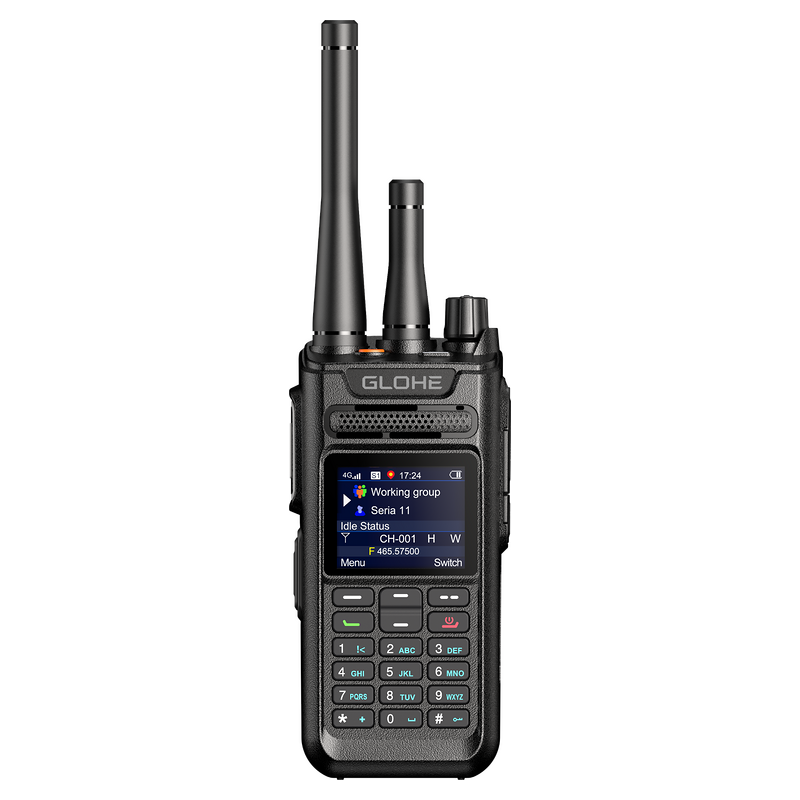
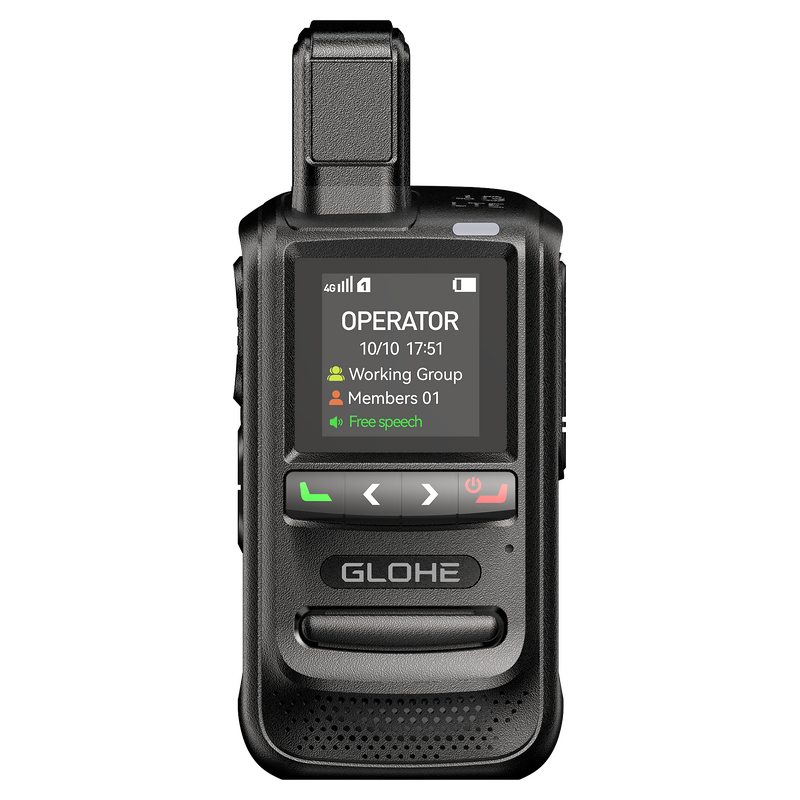
I’ve configured radios for small security teams and event crews in Cape Town, so I know what fails on a shift. For a high-level industry check, the DHS Science & Technology Directorate’s Public Safety Communications Research program has tested push-to-talk over cellular performance and interoperability for emergency responders; their findings guide what to accept from vendors. When you shortlist gear, include a hands-on look at portable poc radios so you see voice quality and group handling under load.
Practical checklist for first-time buyers
Start here: 1) Map your coverage needs—outdoor range vs tight indoor spaces. 2) Ask for a live demo with your team size. 3) Confirm encryption and compliance if you carry sensitive traffic. 4) Verify battery swappable options and backup chargers. 5) Check firmware update policy and how long the vendor supports models. If a vendor can’t show service SLAs, move on.
Common mistakes and how to avoid them
Don’t assume consumer LTE equals reliable PTT. Don’t buy single-vendor hardware without testing third-party accessories like remote mics and earpieces. Don’t skip group-call stress tests—latency spikes kill coordination. Avoid long-term contracts before you’ve done a pilot; negotiate short trial terms, then scale.
Alternatives worth weighing
If your work is mostly inside big structures, consider Wi‑Fi PTT or a private LTE/CBRS setup for predictable capacity. For rural or heavy-duty industrial sites, examine hybrid solutions that combine PoC with repeaters or satellite fallback. Each alternative trades cost for predictability—match the trade to how critical voice is for your operations.
How to evaluate vendors without getting sold a story
Ask for case studies from similar-sized teams and one technical reference you can call. Request firmware changelogs for past two years. Test device management tools—bulk provisioning, remote lock/wipe, and reporting. If support response times aren’t transparent, walk away.
Wrap-up: what a solid choice looks like
You want clear voice under pressure, predictable coverage, and a vendor that updates gear when real problems surface. That’s practical value, not marketing talk. For buyers who want a dependable, supported path from shortlist to deployment, GLOHE ties device options to service and spares in a way that stops the usual headaches and keeps teams talking when it matters most.
