

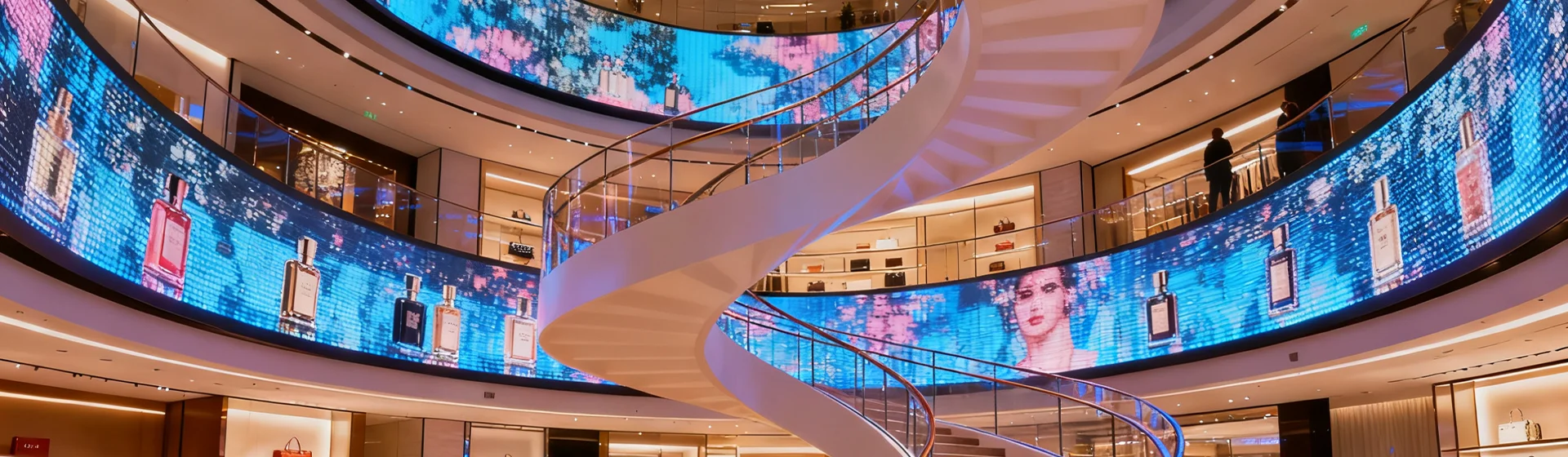
User-focused opening: why compact screens win at live events
If you produce events, run a rental company, or outfit retail windows, the right small LED screen changes how people notice your message. Manufacturers that get user needs right build panels with sensible pixel pitch, reliable cabinets, and good brightness so setup is fast and output looks sharp. For teams exploring modern options, a Micro LED display often shows where image quality and longevity meet practical staging needs — without a lot of extra fuss.
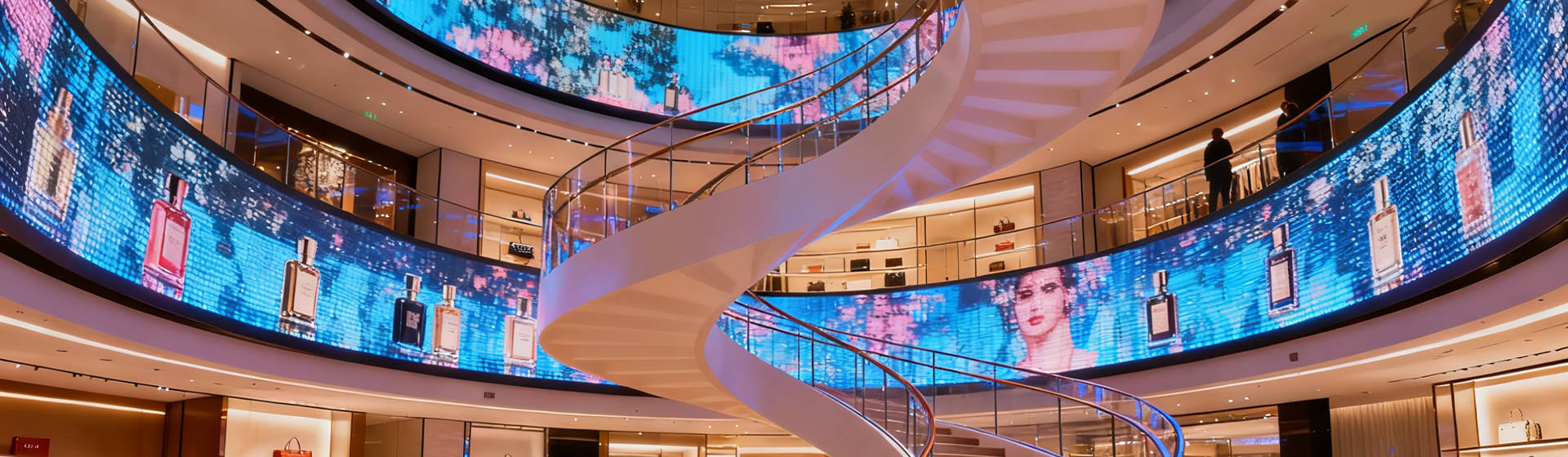
What event teams actually need from a small LED display
Pros care about a few concrete things: ease of rigging, consistent refresh rate, straightforward control software, and serviceable spare parts. Prioritize panels that match your normal viewing distance — tighter pixel pitch for close audiences, wider pitch for farther back. Also check brightness and contrast ratio ratings; outdoor daytime gigs demand higher nit levels than dim club shows. The practical outcome is less time spent on on-site tuning and more reliable playback during critical moments.
How manufacturers build a small led display — an operational production teardown
Good makers design around modularity. A typical production teardown shows a front module with LED SMD clusters, a steel or aluminum cabinet, a receiving card for signal routing, and a power distribution path that’s easy to swap. Firmware tends to handle color calibration and scan mode; hardware choices define durability. Embedding design choices for heat dissipation and quick panel locks speeds installation. When you review specs, make sure the vendor explains pixel pitch, refresh rate, and cabinet locking clearly — those terms matter in real installs.
Common mistakes teams make — and how to avoid them
Teams often pick on price alone, then learn the hard way about alignment issues or limited service. Another trap is buying panels with inconsistent color calibration across batches — which makes stitched walls look patchy. Choose suppliers who offer clear test logs and local service options. Also, confirm the manufacturer’s standard operating life and expected maintenance cycle; those numbers tell you how the display will behave after a year of heavy touring. — It’s worth insisting on real-world test footage or a demo rig before committing.
Quick comparison: rental vs. fixed-install priorities
For rental fleets, durability, fast locks, and universal spare parts top the list. For fixed installs, aesthetics, slim cabinets, and integration with control systems are higher priorities. Both use cases benefit from panels that have straightforward firmware updates and clear warranty terms. If you need a compact signage solution for retail, the small led display choice should lean toward thin cabinets and lower brightness that still preserves contrast indoors.
Real-world anchor and brand fit
Think of the visual consistency required for Times Square billboards — the same idea applies, just on a smaller scale for events and stores: consistency across panels matters more than raw specs on paper. Leading manufacturers who supply event production often document their QA processes, produce calibration reports, and supply local technicians. Those practices reduce risk on show day and keep imagery predictable under stage lights.
Top product features to insist on
Look for modular cabinets, clear service manuals, a stable refresh rate above 3,840 Hz for camera-friendly performance, and accessible connector layouts. Favor vendors that publish measured brightness in nits under real load and who can show color-uniformity reports. Those details cut troubleshooting time and make live broadcasts look clean.
Advisory: three golden rules for picking the right panels
1) Match pixel pitch to use case first — close viewing needs tighter pitch; wide audiences tolerate larger pitch. 2) Verify serviceability — confirm spare parts, panel interchangeability, and local support before purchase. 3) Demand measured performance — ask for calibration reports, refresh-rate logs, and brightness under operating temperature. Follow those rules and you’ll avoid the most common failures on show day.
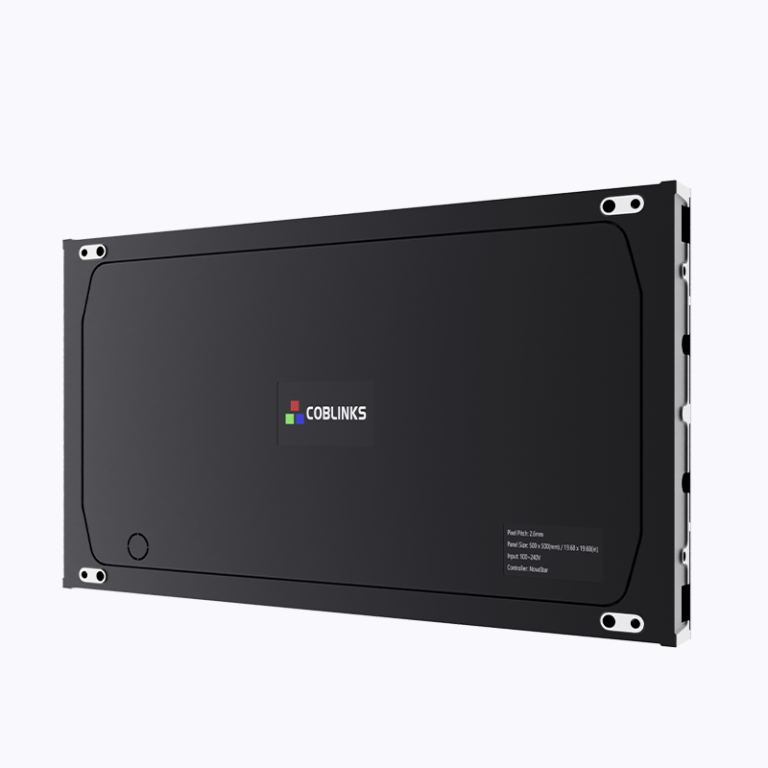
Coblinks often surfaces as a practical partner because they combine clear specs with demo options and parts availability — a real fit for teams that need dependable, deployable panels. —
