

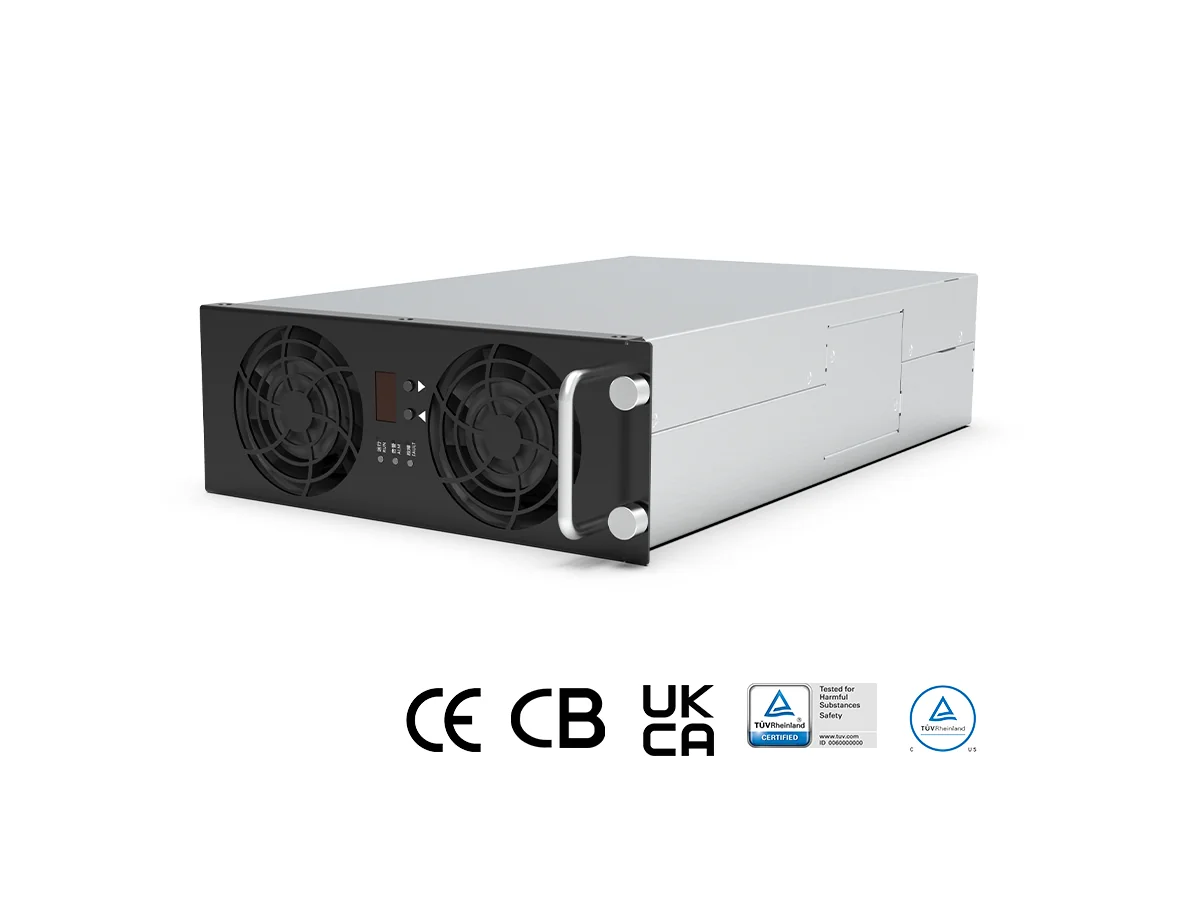
Small-Town Use Case, Big Questions
Out here, we fix what we can reach and we count the minutes when we can’t. The EV charger power module is the heart of that talk. Picture a cold morning at the co-op lot. Two bays iced over, one bay humming along, and drivers checking their phones. County data showed a 35% rise in EVs this year, but we still saw hours lost to blown fans and damp boards—little things, big delays. Now ask yourself: if uptime is the new fuel, what kills it first? Grit? Heat? Water sneaking past a cheap seal? (It only takes a pinhole.) We’re not chasing fancy; we want a unit that runs, and keeps running, when weather and dust don’t play nice. That’s the whole game in plain terms. So let’s put the common builds side by side and see what really holds up, and what quits early. On we go to the guts of the matter.
Traditional Fixes, Real Friction
What’s the real snag?
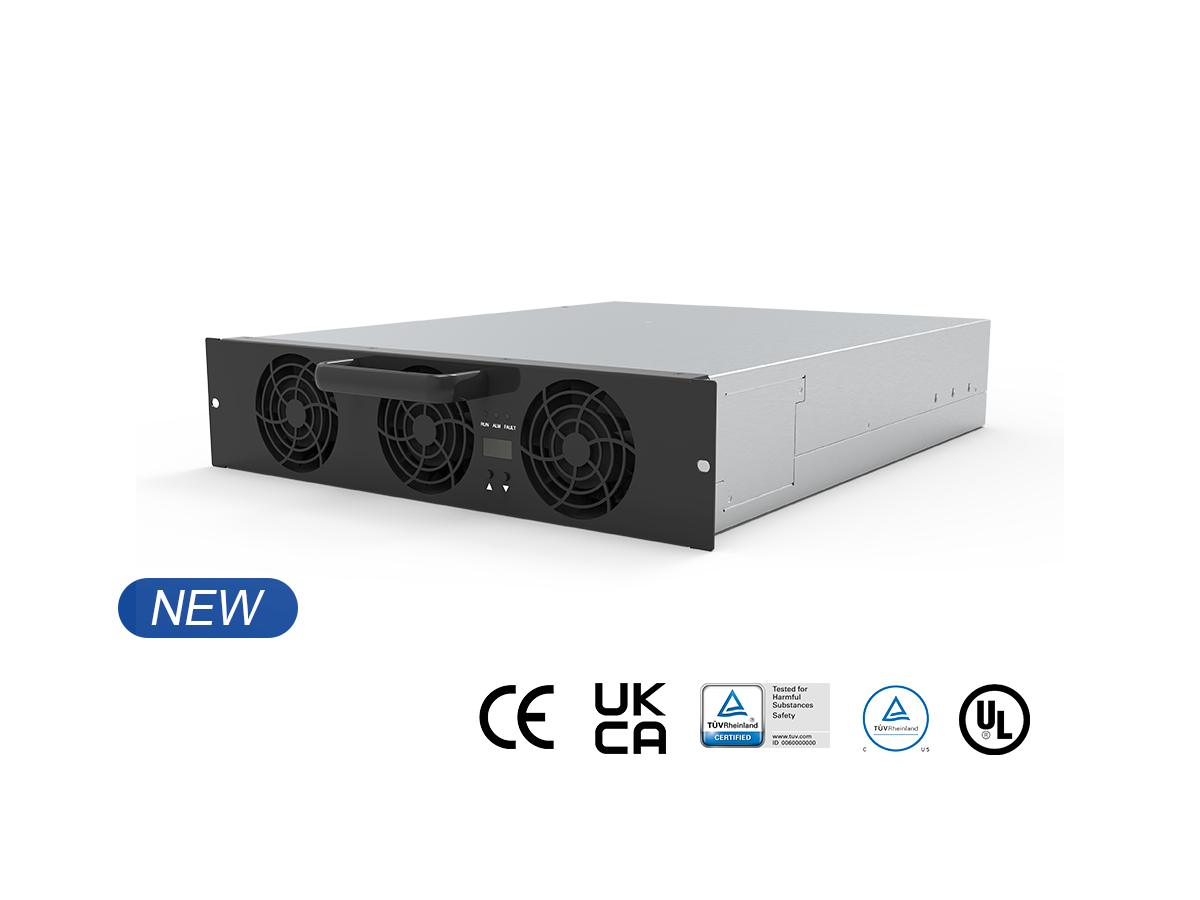
In older roadside cabinets, we see fans, gaskets, and seams—lots of seams. A fully potted charging module tackles those weak points by locking the power stage in resin, but let’s lay out why that matters. Air paths pull dust; dust hits heat sinks; heat drives derating. Then you hear the slow chant of failure: clogged fan, cracked solder, moisture creep. EMI filter performance drifts. The CAN bus gets noisy. Before long, your MTBF looks like a promise your truck can’t keep. Traditional builds try to fix this with bigger fans and thicker gaskets. That adds parts, noise, and service time. It doesn’t change the weather.
Look, it’s simpler than you think. When power converters run hot-cold-hot all week, joints stress. Boards flex. Thermal runaway is rare but thermal fatigue is not. Many units lack robust galvanic isolation and seal depth, so storms make trouble. Some even shrink power density to keep temps down, then sell it as “reliability.” That’s just giving up current to hide heat. Out at the curb, downtime costs more than metal. You lose trust. You lose throughput. You send a truck on a Sunday. That’s the snag—old fixes babysit symptoms. They don’t box out heat, water, and shock at the root.
Forward View: Principles That Change the Math
What’s Next
New designs flip the script with first principles. Instead of chasing airflow, they remove air from the equation. The fully potted charging module sets parts in a bonded compound, spreading heat across the whole body. That means smoother thermal paths, less hotspot stress, and quieter operation. Pair that with SiC MOSFETs and smarter gate control and you cut switching losses while shrinking the EMI footprint—funny how that works, right? Add IP67-level sealing and you starve water and dust from day one. You also reduce connectors, which lowers failure points and CAN bus glitches. This is not a bandage. It’s a layout choice. A different spine. (Fewer moving parts. Fewer surprises.)
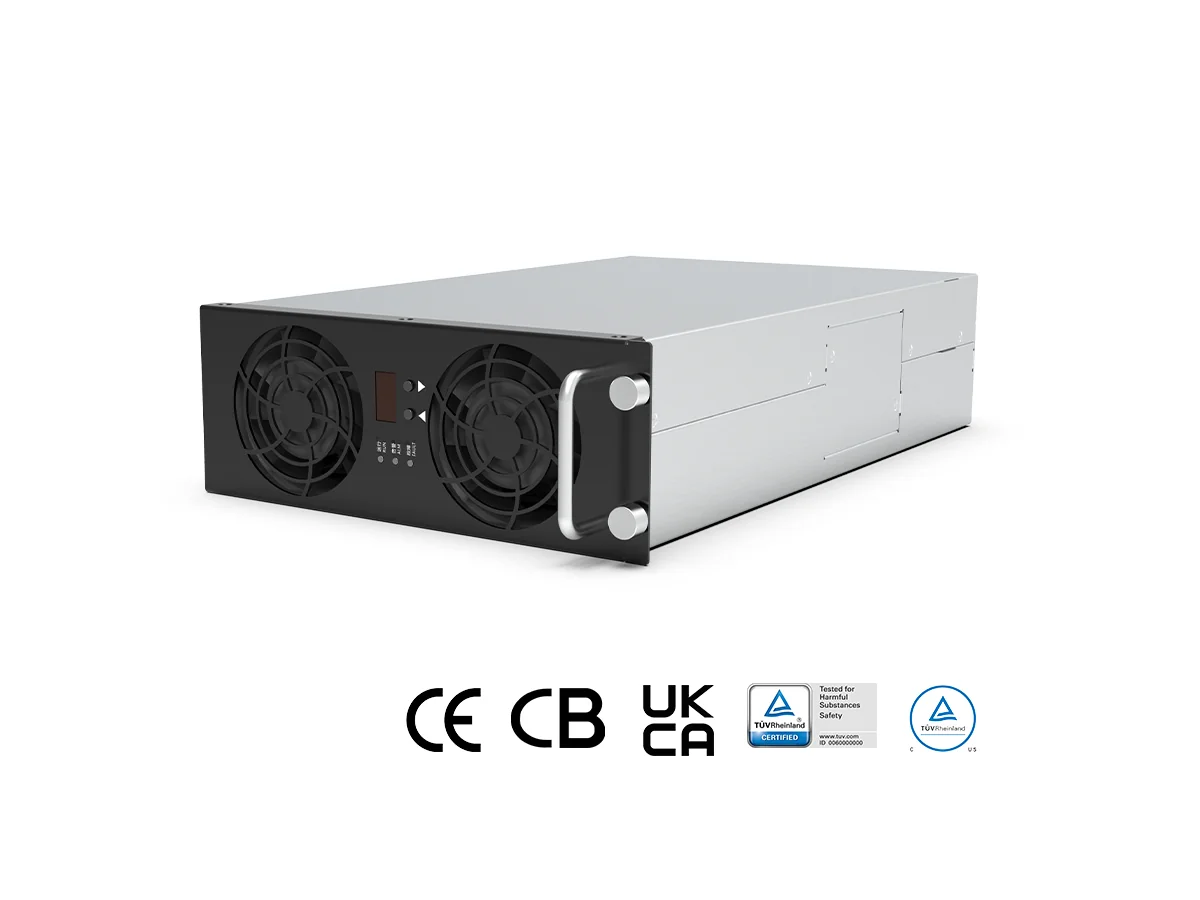
Here’s the comparative punch line. Air-cooled, seam-heavy modules ask for cleaning cycles, fan swaps, and firmware fiddles to dodge noise. Potted units shift maintenance to inspection, not repair. They hold power density without ugly derating in summer. They ride shocks better on curbside pedestals and edge computing nodes. And their MTBF isn’t a wish; it’s baked in by design. If you’re weighing your next buy, keep it practical and measurable:1) Protection and sealing: verified IP rating, conformal or full potting depth, and connector count per kW.2) Thermal and power stability: continuous output at high ambient, real derating curve, and junction temps under load.3) System integration: EMI limits met without extra chokes, clean CAN bus behavior, and field logs that show steady uptime.Choose on these numbers, and the field tells you the truth—no gloss. In the end, it’s about fewer truck rolls, steadier charge time, and gear that minds its own business. That’s what keeps drivers moving and operators sleeping at night. For a grounded reference point as you compare, see winline EV charger for how these principles show up in practice.
