

Why the Old Way Stumbles (and Costs You)
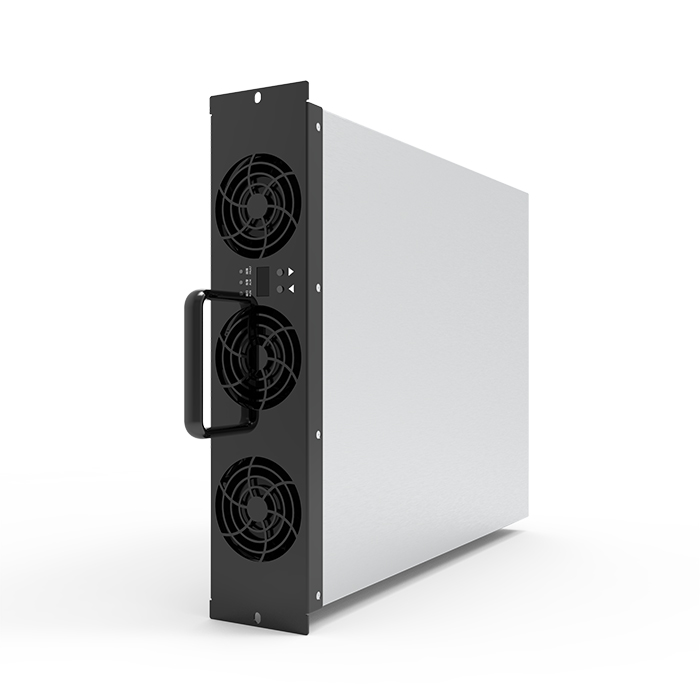
Downtime costs more than the hardware. You spec a power module for EV charger and expect it to hum all day. Then a busy morning hits, two bays spike to max load, and the rectifier front end starts to sweat. A DC fast charging power module isn’t just a box that converts power; it’s the heartbeat of site revenue. Real talk: one dead stall can sink throughput by 15–25% in peak windows, and that kills your station rating. Why? Thermal derating sneaks in when the cabinet runs hot, harmonic distortion pokes the utility, and your uptime promise gets shaky. The scenario is simple enough (a line of drivers, phones out, timers on), but the stakes are real—how do you keep current flowing when the grid, weather, and traffic all push back?
Where do the bottlenecks hide?
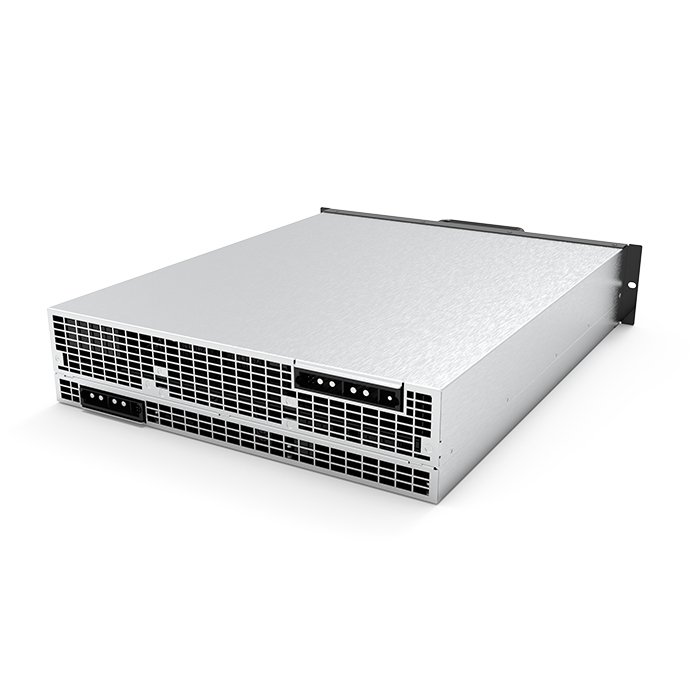
Look, it’s simpler than you think. Legacy power converters lean on fixed topologies, stiff bus voltage targets, and narrow thermal margins. When ambient hits 40°C, they roll off output to protect components—right when you need the amps. Some designs rely on a single PFC stage and basic control loops; they don’t flex when load steps jump from 20% to 90% in seconds. Others skip robust EMI filtering, so compliance is fragile and trips happen. And maintenance? If you can’t hot-swap a module fast, a 10‑minute fault becomes a 3‑hour headache—funny how that works, right? So the deeper flaw isn’t just old silicon; it’s rigid control and poor service paths. Next up, let’s stack old versus new to see what really changes, in plain terms.
Side‑by‑Side: What New Modules Change
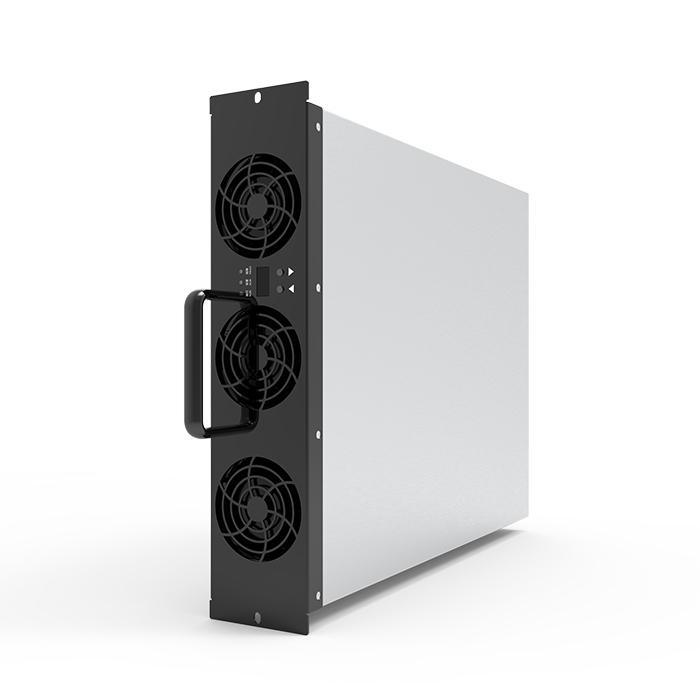
Modern designs don’t just chase peak kW—they flatten the weak spots. Silicon carbide (SiC) switches, interleaved PFC, and soft‑switching topologies widen the efficiency curve at mid load, where most sites live. Add smarter control: modules talk over CAN bus, share load in fine steps, and hold a stable DC link without drama. A good unidirectional power module doesn’t panic at a fast step change, and it won’t fold when the cabinet gets hot. That’s the principle: keep switching losses low, keep heat moving, keep the bus steady. When your edge computing nodes can nudge each module—raise or trim current, shift phases, balance heat—you get uptime that feels boring. Boring is good.
Real‑world Impact
Here’s the compare you care about—old gear vs. new. Old stacks hit 96% at peak but fall off at 40–60% load; newer modules keep high efficiency across the curve and stretch the thermal headroom. Old control loops were slow; new digital controls are fast and predictive (fewer brownouts on start). Old service meant panels off and gloves on; new units are hot‑swappable with guided fault codes. And grid harmony? Lower THD and cleaner PFC means fewer angry calls. You still get unidirectional DC output for vehicle charge safety, but with smarter redundancy and better airflow paths. The net is simple: less derating, fewer trips, quicker recoveries—and drivers don’t even notice the storm under the hood.
How to Choose: Three Metrics That Matter
When you stack options, use simple, hard checks—no fluff. First, efficiency where you actually run: ask for the curve at 30–70% load, not just the peak number. Check thermal derating points at 40–50°C and whether liquid or hybrid cooling is supported. Second, grid friendliness: real PFC performance at partial load, total harmonic distortion under dynamic steps, and ride‑through on sags (those little dips cause big headaches—funny how that works, right?). Third, service and uptime: hot‑swap design, clear fault telemetry over CAN/Modbus, MTBF targets, and a 15‑minute module replacement path with front access. Wrap it with IP rating, corrosion protection, and spares policy. Do that, and the rest—bus voltage, CV/CC control modes, rectifier headroom—falls into place. For a grounded reference point that aligns with these checks, see winline charger.
