

Immediate problem: resilience, coordination, and on-site backup
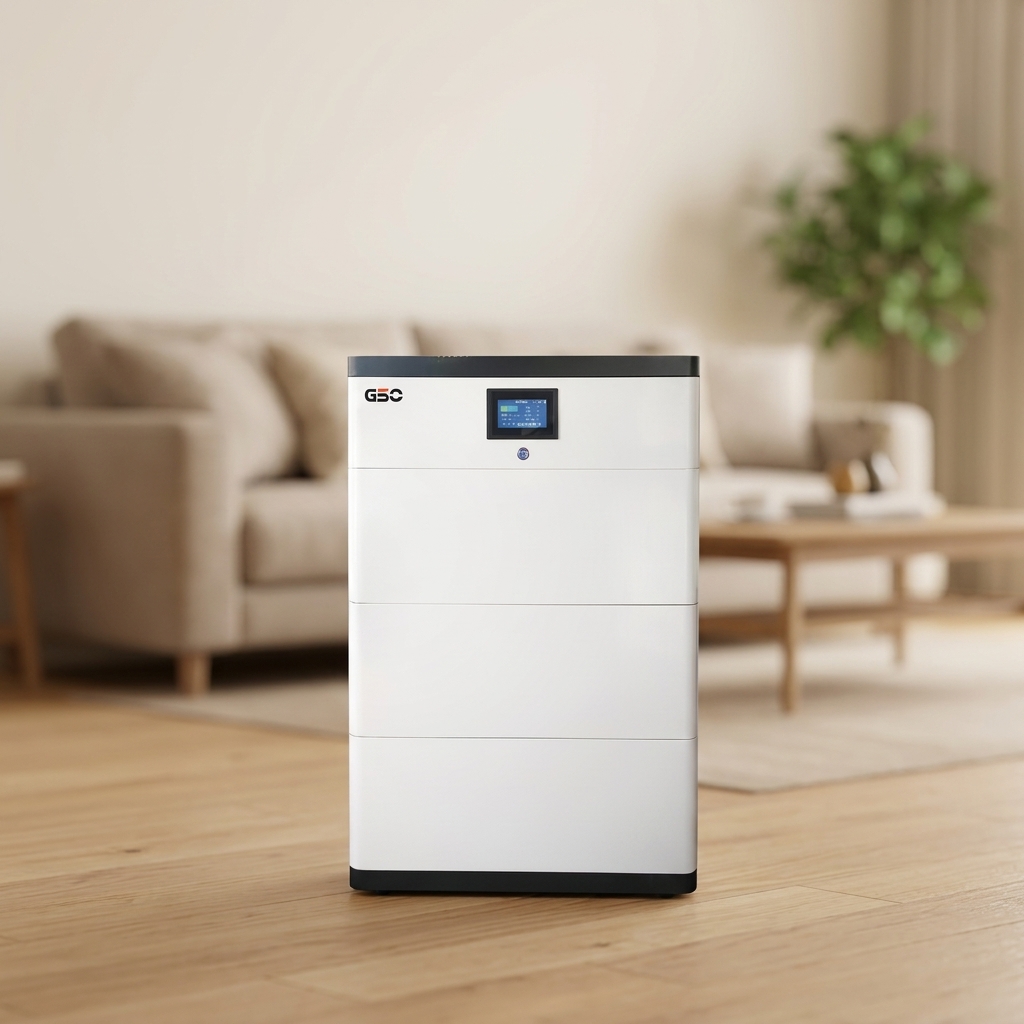
Large solar parks face three hard constraints: intermittent generation, grid instability, and the need for reliable energy during outages such as California’s Public Safety Power Shutoffs (PSPS) from 2019–2021. Operators respond with larger inverter clusters and on-site storage, often pairing LiFePO4 stacks and a whole house battery backup to hold critical loads. The challenge is not merely adding batteries. It is coordinating multiple inverters, managing PV strings, and ensuring clean transition to islanded operation without nuisance trips.
Operational challenges at scale
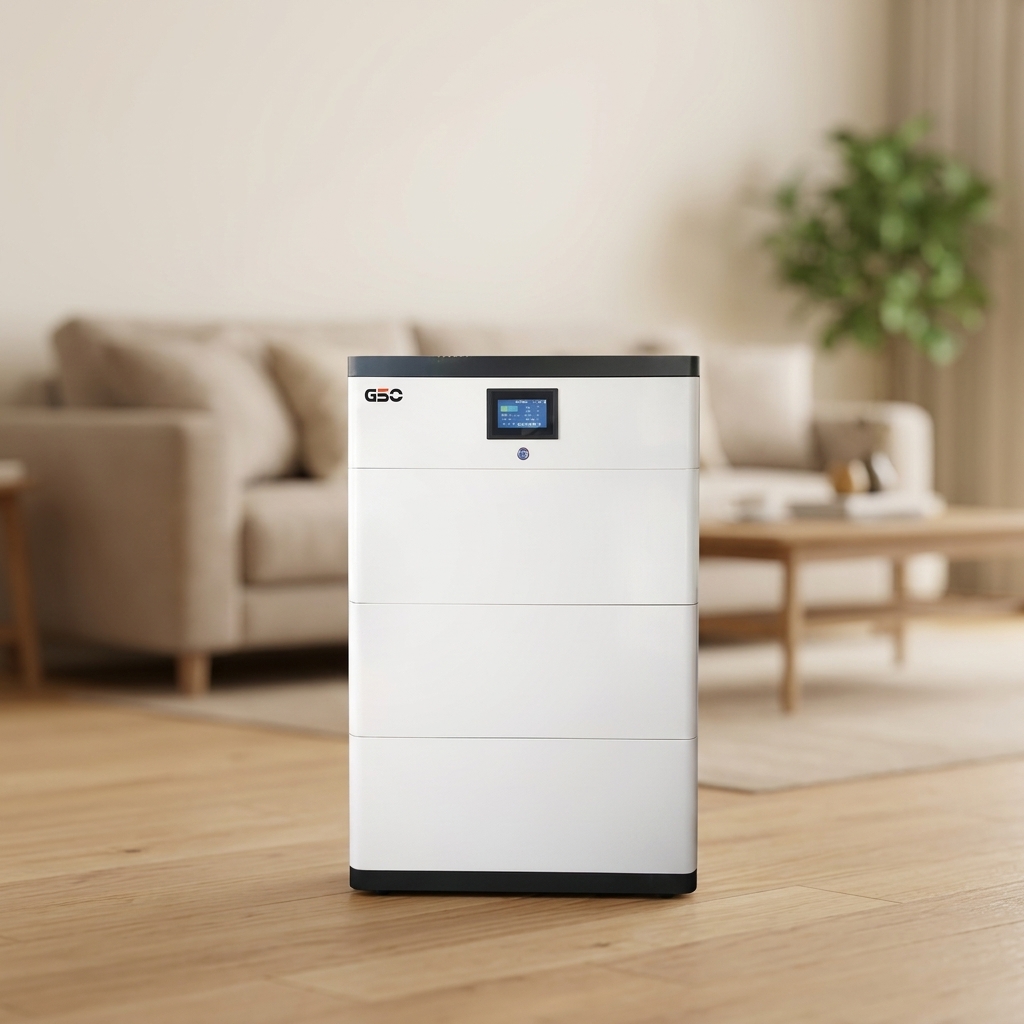
At utility scale, simple grid-tie designs break down. Multiple inverters can fight each other on frequency and voltage setpoints. MPPT misalignment reduces yield across arrays. Protection misconfigurations create unnecessary downtime. Operators must manage a battery management system (BMS) and grid-forming logic, while maintaining peak shaving and revenue-grade metering. These are engineering tasks, not marketing bullet points.
How coordinated hybrid inverters fix the core issues
gsopower’s coordinated PV hybrid inverter approach integrates inverter control, charge control, and BMS interfaces so components behave as one system. Synchronized control reduces setpoint conflicts, enabling stable grid-forming during island events and precise dispatch for peak shaving. The architecture supports DC-coupled and AC-coupled topologies and simplifies telemetry for SCADA integration. For projects that pair LiFePO4 wheel-type batteries, this reduces commissioning time and avoids repeated firmware battles — especially important when deploying a whole house battery backup system to secure critical loads.
Deployment lessons and common mistakes
Installers and engineers often repeat the same errors. Below are practical items to check during planning and commissioning:
– Oversizing inverter capacity without assessing running balance — leads to idle capacity and wasted capital.
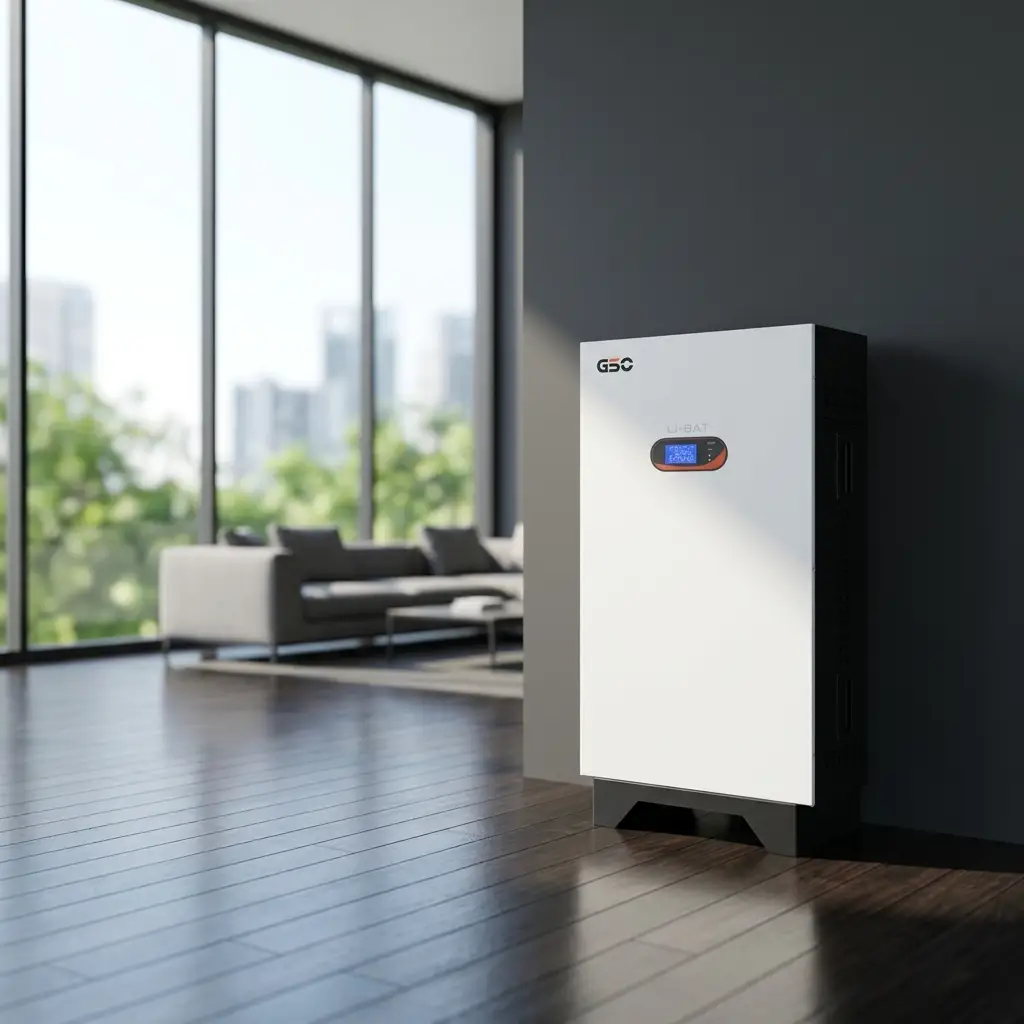
– Ignoring BMS communication protocols; vendor lock-ins happen if CAN or RS485 mappings are not specified up front.
– Skipping factory acceptance tests that validate grid-forming and anti-islanding behavior under varied load profiles.
— small oversight on protection curves can blow an otherwise sound design. That aside, choose install teams that run scenario tests: black start, partial shading, and rapid charge/discharge cycles.
Alternatives and trade-offs
There are two realistic alternatives: bespoke EMS layered above commodity inverters, or a unified hybrid inverter platform. A custom EMS gives flexibility but adds integration risk and longer commissioning. A unified platform reduces integration time and centralizes firmware updates, but may limit certain vendor choices. The decisive factor is operational personnel: sites with strong controls teams can accept modular stacks; sites that need predictable handover prefer integrated hybrid inverters.
Advisory — three golden rules for selection
Choose equipment and vendors using three measurable metrics:
1) Interoperability score — confirm protocol support (Modbus, CAN, IEEE 1547 modes) and test device-level commands in a lab before purchase.
2) Recovery time objective (RTO) under islanding — measure how long from grid loss to stable, frequency-regulated island operation with full critical-load support.
3) Cycle and thermal performance for the specified chemistry (e.g., LiFePO4) — ensure BMS reports per-string SOC and supports the expected discharge rates without derating.
These rules avoid scope creep and give clear pass/fail criteria for procurement and commissioning teams.
gsopower fits where predictable operation and coordinated control matter most — robust firmware, tested grid-forming logic, and pragmatic integration with battery systems. — final thought: pick systems that let your operations team sleep at night.
