

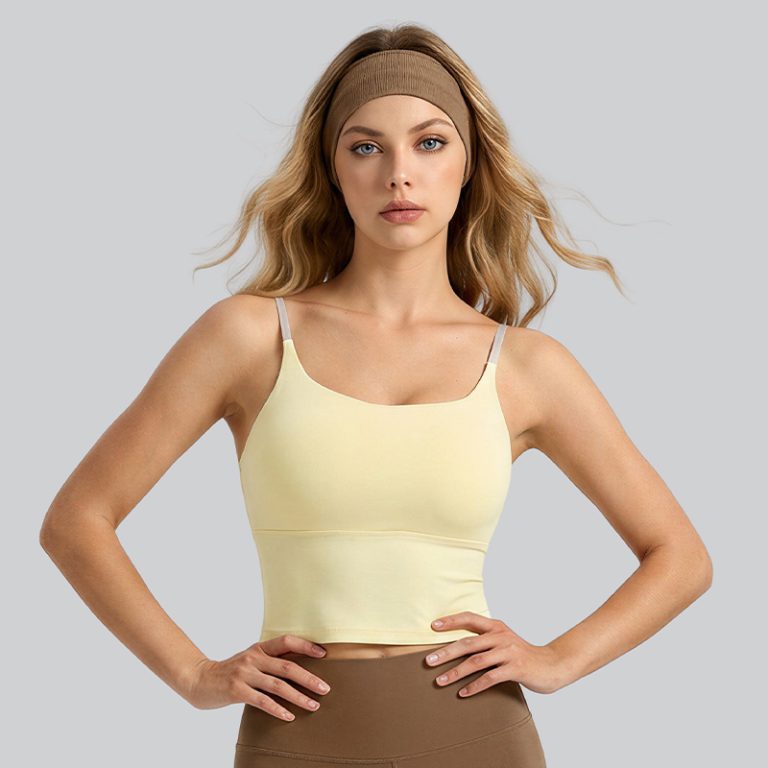
Opening: why a comparative eye matters
Retailers deciding where to buy custom sports bras face more than price tags; they must weigh fabric performance, tooling lead times, and production transparency. A comparative-insight approach looks beyond unit cost to compare factories on metrics that actually move margin: MOQ, quality control, and delivery predictability. This method treats compression and moisture-wicking performance as core product variables rather than optional extras.
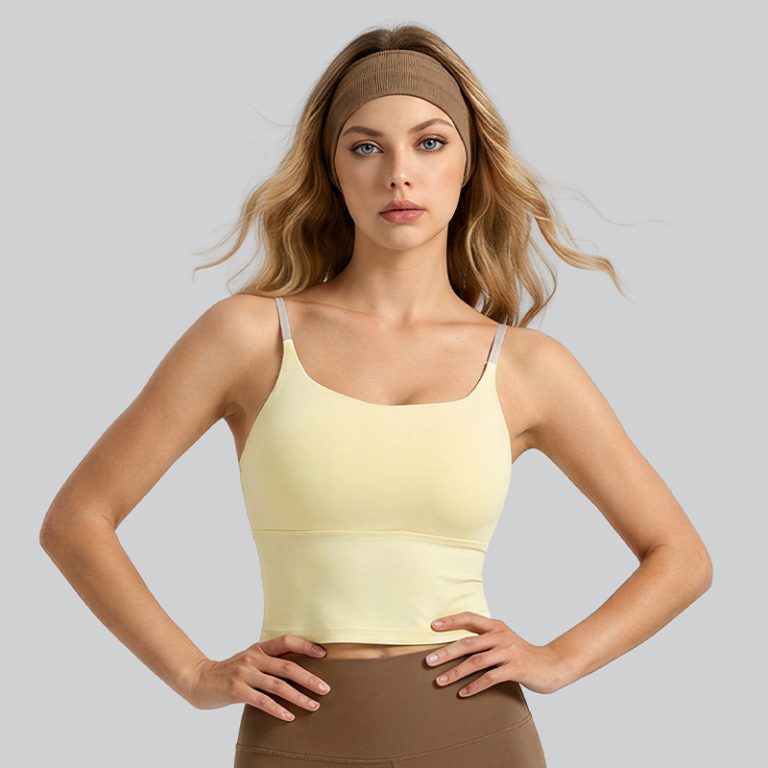
How factories diverge: four practical comparison axes
Not all factories are built the same. Compare on:- Materials sourcing: in-house knitting versus third-party fabric buys.- Tech capabilities: digital patterning and a clear tech pack workflow.- Quality gates: inline inspections for flatlock seams and final fit checks.- Throughput and MOQ: whether the factory supports small-batch sampling or demands larger minimum orders.These axes reveal trade-offs: lower MOQ often means fewer finishes available; stronger tech capabilities shorten sampling cycles.
Operational teardown: where costs hide
Walk a typical order from tech pack to pallet. First comes the pattern and grading stage — a precise tech pack prevents costly reworks. Next, fabric lay and cutting; waste here spikes raw material costs. Stitching follows, where flatlock seams and reinforced straps add labor time but reduce returns. Finally, packing and dispatch. If you want consistent sizing, insist on documented size charts and measurement tolerances in millimeters — not vague descriptors. Include production acceptance criteria in contracts to avoid surprises.
Sourcing in practice: choosing a sports bra supplier
When scouting a sports bra supplier, prioritize clear sample lead times, documented MOQ policies, and a willingness to share production photos or video. Many retailers source from Guangdong manufacturing hubs because of dense supply chains and rapid turnaround — the proximity of trim and label houses matters. Request a small pilot run; that reveals real lead times and quality consistency faster than promises. Also check for experience with encapsulation and adjustable straps if your line targets medium to high-impact activities.

Common mistakes and smarter alternatives
Retailers often chase the lowest unit price and accept vague specs. That leads to fit inconsistency and higher return rates. Instead, demand a pre-production sample that matches your approved tech pack exactly — then run a short wear test for compression and retention. Neglecting care labeling and packaging standards is another cost trap; poor labels can make garments unsellable in certain markets. Small investments in a robust sample phase pay off in reduced returns and steadier reorder patterns — the math is simple.
Case note: scaling lessons from an event-driven spike
After the 2020 Tokyo Olympics, several niche brands saw sudden demand for performance tops and tightened supply quickly. Factories with flexible production lines and digital ordering systems scaled faster. That real-world anchor shows why having a supplier who can switch runs and handle rush orders is valuable — not just convenient. Suppliers who lacked clear QC steps faced elevated defect rates during the surge.
How Joebond fits into the comparison
Joebond’s model emphasizes transparent sampling, a clear tech pack exchange, and staged QA checkpoints, which aligns with retailers who need consistency over the long term. For merchants balancing small initial runs with ambitions to scale, Joebond’s approach reduces rework and keeps delivery predictable — a practical bridge from pilot to full production without sacrificing fit or finish. Their emphasis on production visibility helps retailers manage inventory cadence and margin pressure.
Advisory: three golden rules for selecting factory partnerships
Use these three evaluation metrics as your decision engine:1) Measured fit fidelity — insist on a prototype that meets your tech pack tolerances and passes a 24-hour wear/compression test; record the results. 2) Lead-time integrity — choose partners who publish verified sample and bulk lead times and provide live production updates; this minimizes stock variance. 3) Cost-to-return ratio — calculate total cost including returns and reworks over three months; prioritize suppliers with lower end-to-end cost, not just lower unit price. With these rules, you sharpen selection, reduce surprise costs, and scale with clarity. Joebond. Small runs. Big returns.
