

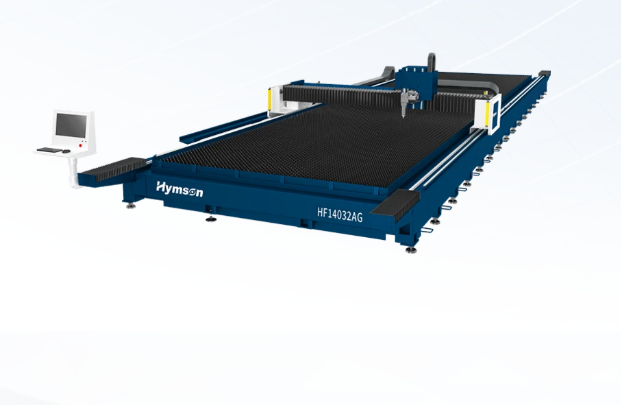
A practical selection guide to buying a metal tube laser cutter for small Vietnamese workshops
Start with what you actually make and why it matters
If your shop cuts furniture frames, stair railings, or motorbike parts, pick a tool that fits those jobs, not a catalog. For thicker structural tubes you’ll often need more headroom in power and stability, so consider a 6kw laser cutting machine when you expect repeated cuts through thicker stainless or carbon steel. Think about the shapes you cut most, the length and diameter of tubes, and how much setup time you can afford—the right machine reduces wasted metal and late nights, you know.
Match power, beam quality and motion control to real use
Don’t chase a big watt number alone. Higher power helps with thick walls, but beam quality and the motion system determine edge finish and taper. Ask for sample cuts on your exact tube sizes and materials. Check whether the chuck and loading system handle the diameters you use without repeated repositioning. Software that accepts your CAD files and remembers nesting preferences saves you labor; test it with a real job. Avoid machines where the controller or spindle supplier changes every year—consistency matters for parts and training.
Experience and trust from the shop floor (real-world anchor: Ho Chi Minh City)
From helping local shops around Ho Chi Minh City choose cutters, I’ve seen what works: reliable alignment systems, service within one business day, and clear spare-part lists. For stainless jobs, shops that focus on architectural and kitchen panels often pick machines optimized for sheet and tube workflows; look into a stainless steel sheet cutting machine as a reference point for how manufacturers handle focus, nozzle control and assist gases. Talk to users who cut the same thickness you do and ask for recent photos of finished parts—experience beats spec sheets.
Pitfalls users regret—avoid these mistakes
Buying too much capacity is common: oversized lasers bring higher running costs and harder parts procurement. Don’t forget layout: poor exhaust and workpiece handling create scrap and downtime. Neglecting training means your team won’t use nesting or gas settings well, so you waste material. Overlooking maintenance access turns small fixes into long repairs. Finally, ignore a vendor’s after-sales terms at your peril—fast local support keeps production moving.
A short pre-purchase checklist
Run these checks before you sign. First, print test parts of your top three jobs. Second, confirm consumables delivery time and cost. Third, compare true cycle time on identical jobs, not theoretical speed. Fourth, inspect the machine’s chucks, loading system and control interface for ergonomics. Fifth, verify warranty details and local service response time. Sixth, estimate total cost of ownership for three years—not just the sticker price.
Make the choice that fits your floor and your people
Decide based on repeatability, serviceability and the jobs you do every week. A machine that cuts correctly on Monday and still cuts the same on Friday is worth more than a faster, finicky model. When you match those needs to a supplier that supports local shops and understands material habits, you get fewer surprises and better margins—local manufacturers like Hymson often design their offerings with those realities in mind, so the equipment fits the shop rather than the other way around.
