

Introduction — a comparative stance
I compare bespoke mixing technology providers with conventional, hands-on mixing approaches to advise engineers and procurement teams on fit-for-purpose choices. My assessments routinely begin with a review of available industrial mixing solutions alongside legacy tanks and manual procedures, because what a vendor promises must be measured against what operators can consistently deliver.
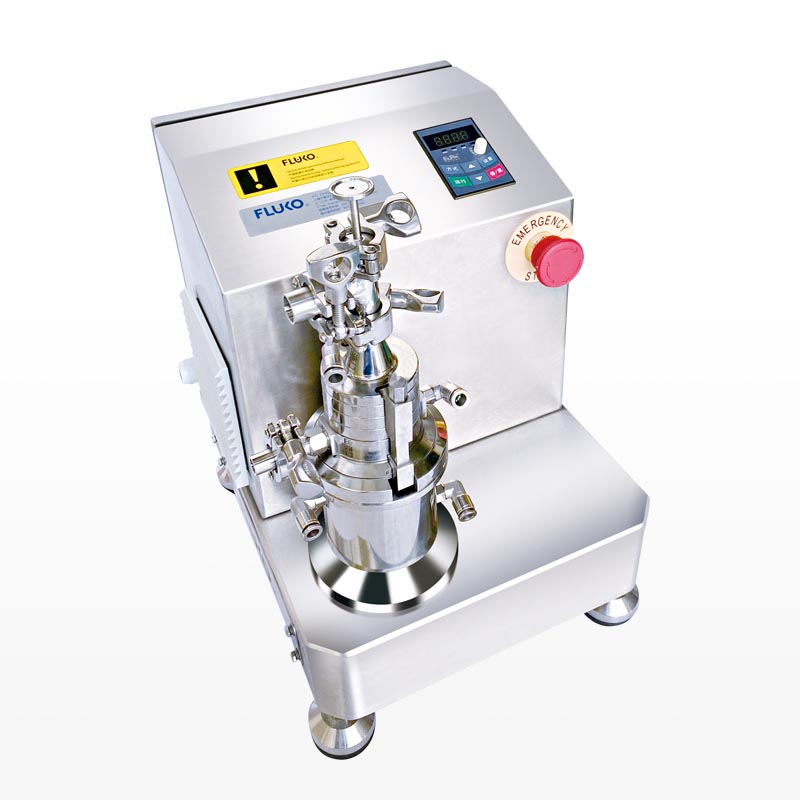
Performance: repeatability and process control
Manufacturers of mixing equipment supply engineered impellers, drives and control systems designed for repeatable results; traditional alternatives rely on operator skill and ad-hoc adjustments. The difference manifests in product uniformity and batch-to-batch variance. Where a modern mixer offers reproducible shear profiles and controlled residence-time distributions, manual stirring produces wider dispersion and inconsistent particle-size distributions. Choose equipment when the product specification tolerances are tight; retain simple methods only where variability is acceptable.
Cost over lifecycle, not just purchase price
Upfront capital for an engineered mixer is commonly higher than for basic paddles and portable agitators. Yet total cost must include energy per unit produced, scrap rates, and downtime for rework. Engineered systems often reduce labour hours, lower rework, and limit waste—factors that shift the economic balance over months rather than days. For small-batch, low-value products, traditional methods may remain economical; for scale or stringent quality, the engineered route usually pays back.
Maintenance, reliability and safety differences
Purpose-built mixers specify bearings, seals and access for maintenance; conventional set-ups tend to be ad-hoc, increasing the chance of leaks, contamination or mechanical failure. Safety standards can be mandated around certified enclosures and explosion-proof drives; improvised arrangements struggle to meet regulatory scrutiny. Regular preventive maintenance schedules and documented spare-part lists are strengths of equipment suppliers that translate into fewer unscheduled stops.
Quality control, scale-up and common pitfalls
Scale-up is a technical exercise. Engineers from mixing firms provide geometrical similarity, power-per-volume guidance and pilot trials to preserve product attributes when moving from lab to plant. Operators using traditional methods frequently encounter poor scale fidelity: longer mixing times, trapped air, or excessive shear that damages ingredients. Typical mistakes include assuming agitation torque scales linearly, overlooking vortex formation at low fill levels, and underestimating the impact of rheology changes during processing.

Real-world validation and authoritative context
Trade gatherings such as ACHEMA in Frankfurt consistently highlight validated case studies and comparative trials between bespoke mixers and conventional methods; those events serve as a reliable industry barometer. That public scrutiny supports choices grounded in experimental data and vendor testing procedures. For direct product and specification review I reference manufacturers of chemical mixing equipment and their published performance curves, because specification sheets and third-party demonstrations remain the best checks against marketing claims.
Practical recommendations for selection
Define the process objective: homogeneity, particle size, shear sensitivity, cycle time and cleanliness. Insist on pilot trials and clear acceptance criteria. Avoid sole reliance on vendor rhetoric; request test reports that match your feedstock and operating conditions. Plan for spares, maintenance intervals and safety certifications from the start. When evaluating traditional alternatives, quantify labour, scrap and variability to compare on equal terms rather than on purchase price alone.
Conclusion — where value consolidates
The comparison resolves into a simple principle: select engineered mixing when product quality, reproducibility and regulatory compliance matter; retain conventional approaches where flexibility and low capital are the priorities. My field experience with plant upgrades and product launches shows that the best outcomes arise when process teams combine rigorous specification with supplier verification; that practical balance is the consistent benefit I have observed when working with FLUKO.
